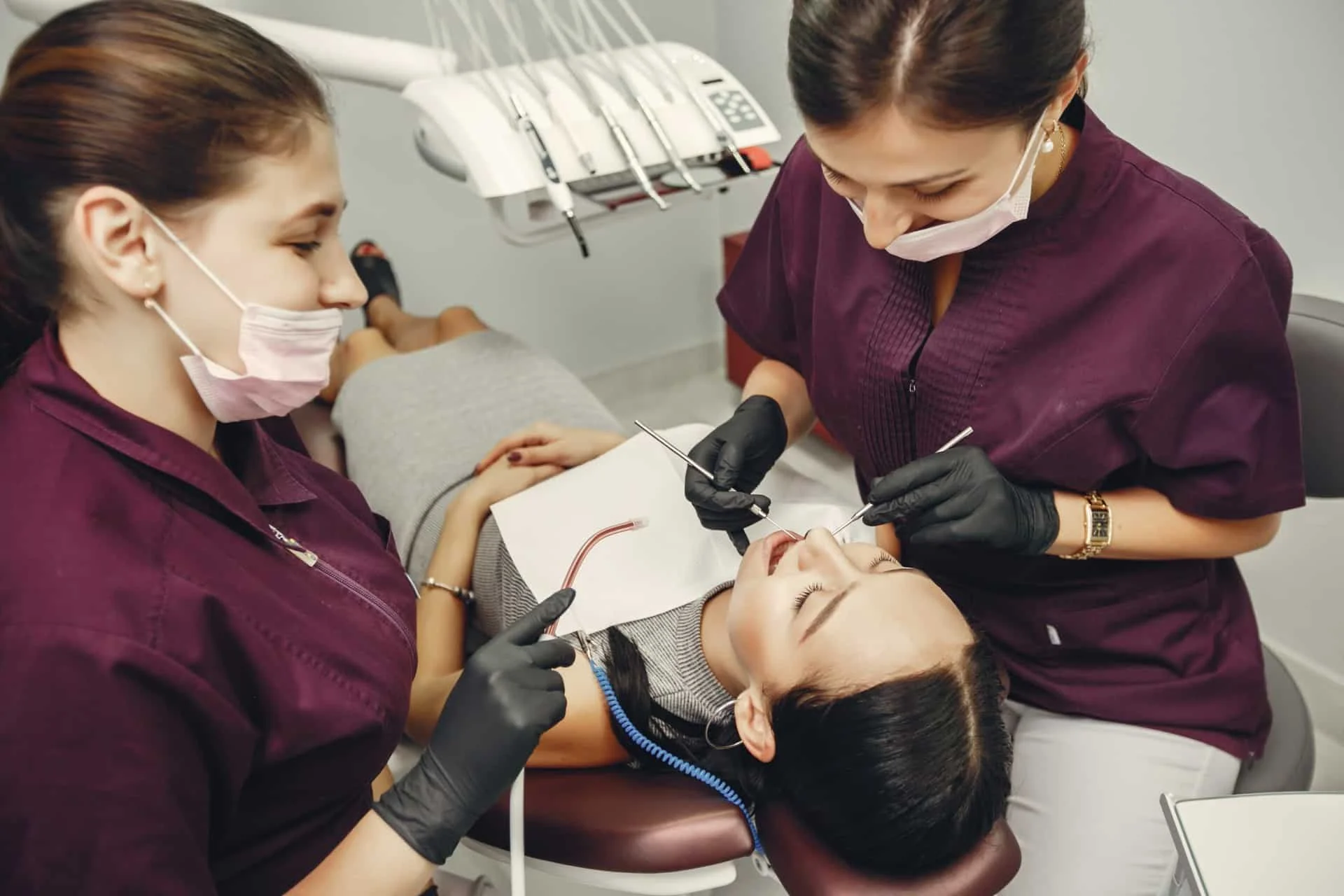
Tooth extractions are a common dental procedure, whether it’s for removing wisdom teeth, damaged teeth, or other dental issues. While many people focus on the procedure itself, a common question is, ‘When can I eat after tooth extraction?
Eating after an extraction isn’t as straightforward as you might think. Proper recovery depends heavily on how well you follow eating guidelines. At Southtowns Dental Services in West Seneca, NY, we aim to ensure your healing process is quick, smooth, and comfortable. This blog will explain when, what, and how you can eat after a tooth extraction.
How Soon Can You Eat After Tooth Extraction?
First 24 Hours
Right after your tooth extraction, avoid eating solid food. During the first 24 hours, your focus should be on hydration and consuming liquids or soft foods that don’t require chewing. This is because the area will be vulnerable as the blood clot forms, which is essential for proper healing.
Stick to cold or room-temperature liquids, but avoid using a straw at all costs. The suction motion can dislodge the blood clot, causing a painful complication known as dry socket. Some safe options include:
- Water
- Smoothies (without a straw)
- Cold broth or soups (be sure to avoid chunks of food)
- Applesauce
24-48 Hours After the Extraction
Once you’ve made it through the first 24 hours, you can gradually introduce more texture to your diet, but stick to very soft, chewable foods. The key is to chew away from the extraction site and continue avoiding anything too hot or cold to prevent irritation.
Some great food options at this stage include:
- Mashed potatoes
- Yogurt
- Pudding
- Scrambled eggs
- Oatmeal (if lukewarm)
- Blended soups
Foods to Avoid After Tooth Extraction
For several days following your extraction, it’s essential to steer clear of foods that could delay your healing or irritate the extraction site. Here is what you should avoid:
- Hard or crunchy foods like chips, nuts, and raw vegetables, as they can irritate or get stuck in the extraction site.
- Sticky foods like caramel or gum, which can pull on the surgical site.
- Hot foods and beverages as they may dissolve the blood clot prematurely.
- Acidic foods like citrus fruits and juices, which can cause discomfort.
- Alcohol since it can interfere with the healing process and may react poorly with prescribed medications.
When Can You Resume Normal Eating?
Most patients start incorporating more variety into their diet about 3-4 days after a tooth extraction, depending on the complexity of the procedure and their rate of recovery. After about a week, you can return to eating your regular diet, as long as the extraction site shows no signs of irritation or infection. Consult our dentists before eating hard or crunchy foods to avoid complications.
Tips for Eating Safely After a Tooth Extraction
Here are some tips to keep in mind when eating during your recovery:
- Chew on the Opposite Side
To protect your extraction site, always chew on the side of your mouth opposite the extraction area.
- Eat Smaller Meals
Stick to smaller, more frequent meals rather than large ones. This will help you control the pressure on your mouth and ensure the healing process isn’t interrupted.
- Stay Hydrated
Drink plenty of water throughout your recovery. It keeps your mouth hydrated and helps flush away debris from the area.
- Use a Spoon or Fork Carefully
Be cautious when eating with utensils to ensure you don’t accidentally poke the healing site.
- Follow Our Dentist’s Advice
Every case is unique, so our dentist’s recommendations might differ slightly based on your specific needs.
Be Alert for Warning Signs
While most tooth extraction recoveries are straightforward, it’s important to monitor your healing closely. If you experience any of the following symptoms, contact Southtowns Dental Services immediately:
- Severe pain that doesn’t improve after a few days
- Excessive bleeding
- Swelling that worsens after 48 hours
- A bad taste or odor in your mouth
- Signs of dry socket (a condition where the blood clot is dislodged, causing pain that radiates to your ear or temples)
Care Beyond Tooth Extraction
At Southtowns Dental Services in West Seneca, NY, we prioritize your recovery and comfort. Our team provides clear aftercare guidelines and answers any questions you have about eating, recovery timelines, and follow-up visits. By following these tips, you can speed up your healing and avoid complications.
Do you have questions about tooth extractions or other dental services? Contact Southtowns Dental Services today to discuss your needs. We’re here to provide the personalized care you deserve.