Facing oral surgery can feel stressful, but you can take clear steps to stay in control. When you prepare the right way, you lower risks, ease anxiety, and support a smoother recovery.
Preparing for oral surgery means following a simple checklist that covers medical planning, fasting rules, home setup, and aftercare so you heal safely and comfortably.
You need to know what to expect before, during, and after your procedure. That includes talking with your surgeon, arranging a ride if you will have sedation, and setting up a recovery space at home.
Small actions before your appointment can make a big difference in how you feel afterward.
Use this step-by-step checklist to feel ready and confident on surgery day.
Key Takeaways
- Plan ahead by reviewing instructions, medications, and transportation needs.
- Follow clear eating, hygiene, and home prep guidelines before surgery.
- Know what to expect after surgery so you can manage pain and healing properly.
Learn how to prepare for oral surgery and feel confident before your procedure.
Table of Content
- Understanding Oral Surgery and Common Procedures
- Key Pre-Surgery Preparation Steps
- Diet, Fasting, and Eating Guidelines
- Oral Hygiene and Home Preparation
- What to Expect After Surgery and Post-Surgery Care
- Frequently Asked Questions
Understanding Oral Surgery and Common Procedures
Oral surgery treats problems that go beyond a simple filling or cleaning. You may need it to remove damaged teeth, treat infection, or replace missing teeth with stable options like implants.
Types of Oral Surgery Procedures
Oral surgery includes several common treatments that fix pain, infection, and tooth loss. Your dentist or an oral and maxillofacial surgeon may recommend one based on your exam and X-rays.
Common procedures include:
- Wisdom tooth extraction for impacted or painful third molars
- Dental implant placement to replace missing teeth
- Bone grafting to rebuild thin or weak jawbone
- Biopsies to test unusual tissue
- Treatment for jaw infections or cysts
Many clinics explain these steps in guides like this step-by-step checklist for patients, which shows how preparation and recovery connect.
Some procedures use local anesthesia. Others use IV sedation or general anesthesia. Your health history, anxiety level, and the length of surgery help decide what is safest for you.
When Wisdom Tooth Extraction and Dental Implants Are Needed
You often need wisdom tooth extraction when the teeth are impacted, infected, or pushing against nearby molars. Impacted teeth stay trapped under the gums or jawbone.
They can cause swelling, gum infection, cavities in the next tooth, and jaw pain.
If you lose a tooth, your dentist may suggest a dental implant. An implant replaces the root with a small titanium post placed in your jawbone. After healing, a crown attaches on top.
Implants help prevent bone loss in the jaw. They also keep nearby teeth from shifting.
Many practices outline this process in resources like how to prepare for your oral surgery, which explains what to expect before and after implant placement or extractions.
Your surgeon checks your bone level and gum health before scheduling surgery to make sure you are a good candidate.
Schedule your visit in Lackawanna NY and get expert guidance on how to prepare for oral surgery.
Key Pre-Surgery Preparation Steps
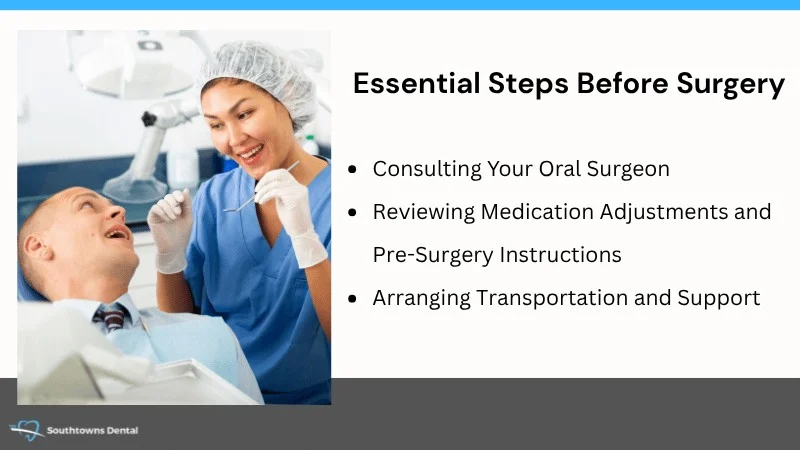
Preparing for oral surgery takes clear planning and careful follow‑through. You need to meet with your surgeon, follow all pre-surgery instructions, and plan for help on the day of your procedure.
Consulting Your Oral Surgeon
Start your oral surgery preparation with a detailed consultation. Bring a full list of your medical conditions, allergies, and past surgeries.
Your surgeon will review your dental and health history. They will explain the exact procedure, the type of anesthesia, and possible risks. You should understand how long the surgery will take and what recovery will involve.
Use this visit to ask direct questions, such as:
- How much swelling is normal?
- When can you return to work or school?
- What problems require a phone call?
Clear answers reduce stress and help you feel ready for surgery.
Reviewing Medication Adjustments and Pre-Surgery Instructions
Carefully follow all pre-surgery instructions. These steps protect your safety during anesthesia and lower your risk of problems.
Your surgeon may give you instructions like:
- Stop eating or drinking after midnight if you will receive sedation.
- Adjust or pause certain medicines, such as blood thinners.
- Take prescribed antibiotics exactly as directed.
Never stop a medication on your own. Always confirm changes with both your surgeon and your primary doctor.
If you take daily medicines for blood pressure, diabetes, or heart disease, ask when to take them on surgery day.
Good preparation for surgery lowers the risk of bleeding, infection, and anesthesia issues.
Arranging Transportation and Support
Most oral surgery procedures involve sedation or general anesthesia. You will not be able to drive yourself home.
Arrange for a trusted adult to:
- Drive you to the office
- Stay during the procedure if required
- Take you home safely
Many surgeons also recommend that someone stay with you for the first 24 hours. You may feel sleepy, dizzy, or sore.
Before surgery day, set up a simple recovery area at home. Keep gauze, ice packs, prescribed medication, water, and soft foods within reach.
Strong support at home makes recovering easier and less stressful.
Contact our team in Lackawanna NY to get clear instructions on how to prepare for oral surgery.
Diet, Fasting, and Eating Guidelines
What you eat (and when you stop eating) directly affects your safety during oral surgery. Clear fasting rules and smart meal planning help prevent complications and make recovery easier.
Fasting Guidelines for Oral Surgery
Your fasting instructions depend on the type of anesthesia you receive. If you will have IV sedation or general anesthesia, you must follow strict fasting guidelines.
Most surgeons require no food or drinks, including water, for at least 8 hours before surgery.
The pre-surgery eating and drinking rules for sedation patients clearly state that you should not eat or drink for at least 8 hours unless your surgeon tells you otherwise.
Food or liquid in your stomach increases the risk of vomiting and breathing problems while you are sedated. That is why these rules are firm.
If you take daily medications, ask your surgeon if you should take them with a small sip of water. Never guess. Clear instructions are a key part of safe oral surgery preparation.
If you are having local anesthesia only, your instructions may be different. Always confirm ahead of time.
Can I Eat Before Oral Surgery?
Many patients ask, “Can I eat before oral surgery?” The answer depends on your anesthesia plan.
If you are receiving sedation, you should not eat after your cutoff time. Even gum, mints, or coffee count as breaking your fast.
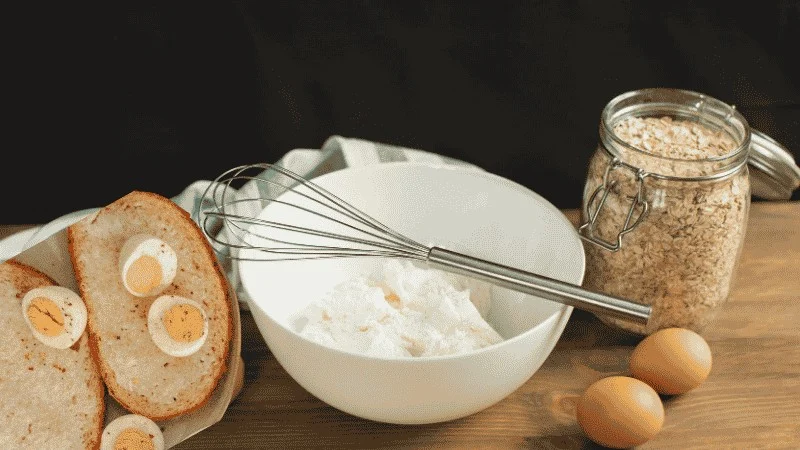
If you are having local anesthesia without sedation, you may be told to eat a light meal a few hours before your appointment. Eating something small can help prevent low blood sugar and dizziness.
Choose simple foods like:
- Toast
- Eggs
- Yogurt
- Oatmeal
Avoid heavy, greasy meals. They can upset your stomach and make you uncomfortable during the procedure.
When in doubt, call your surgeon’s office. Clear instructions reduce last-minute stress and lower your risk of cancellation.
Meal Planning and Soft Food Choices
Plan your meals before surgery so you can focus on resting afterward. Stock your kitchen with soft, easy-to-chew foods.
Here are good options for the first few days:
| Food Type | Examples |
| Dairy | Yogurt, cottage cheese |
| Fruits | Applesauce, mashed bananas |
| Proteins | Scrambled eggs, protein shakes |
| Grains | Oatmeal, soft pasta |
| Soups | Broth-based soups (not too hot) |
Avoid hot, spicy, crunchy, or hard foods. Chips, nuts, and toast can irritate the surgical site and delay healing.
Prepare meals in advance if possible. Having ready-to-eat soft foods at home makes your oral surgery recovery smoother and less stressful.
Oral Hygiene and Home Preparation
Clean your mouth carefully and set up your home before surgery day. Small steps in oral surgery preparation can lower your risk of infection and make recovery easier.

Oral Hygiene Before Surgery
Focus on thorough but gentle oral hygiene before surgery. Brush your teeth the night before and the morning of your procedure unless your surgeon tells you not to.
Use a soft toothbrush and clean all tooth surfaces. If the surgical area feels sore, brush around it without pressing hard.
Floss carefully to remove food and plaque. This step helps lower bacteria in your mouth.
Your surgeon may ask you to rinse with an antiseptic mouthwash. Follow the exact instructions and avoid eating or drinking after rinsing if you must fast.
For clear surgery preparation, follow these basics:
- Brush and floss as directed
- Avoid irritating the surgical site
- Do not use tobacco
- Follow fasting rules if you are having sedation
If you feel sick before surgery, call the office. A fever, cough, or infection can affect your safety.
Setting Up Your Recovery Area
Prepare your recovery space before you leave for surgery. You will feel tired and may not want to move much.
Set up a chair or bed where you can rest with your head raised. Use extra pillows to keep your head slightly elevated, which can help limit swelling.
Keep these items within arm’s reach:
- Gauze pads
- Prescribed pain medicine and antibiotics
- Ice packs
- Water
- Tissues
- Phone and charger
Stock your kitchen with soft foods such as yogurt, mashed potatoes, scrambled eggs, and lukewarm soup.
Avoid using straws after surgery. Suction can disturb the healing area.
Dressing and Comfort on Surgery Day
Wear loose, comfortable clothing on surgery day. Short sleeves work best if you will receive IV sedation.
Choose flat shoes and avoid tight collars or heavy layers. You want to feel relaxed, not restricted.
Do not wear jewelry, makeup, or nail polish. Remove contact lenses if your surgeon asks you to.
Arrange for a responsible adult to drive you home and stay with you if needed.
Bring your ID, insurance card, and any required paperwork. Arrive on time so the team can review your medical history and answer last-minute questions.
What to Expect After Surgery and Post-Surgery Care
After oral surgery, you need to manage pain, protect the surgical site, and watch for signs of trouble. Clear steps at home lower your risk of infection and help you heal faster.
Pain and Medication Management
You will likely feel numb for a few hours after oral surgery. Once the numbness fades, mild to moderate pain and swelling are common.
Take pain medicine exactly as prescribed. Many dentists suggest starting with ibuprofen or acetaminophen and adding a stronger prescription only if needed. Do not wait until the pain feels severe before you take your next dose.
If you take blood thinners, diabetes medicine, or other daily drugs, follow your dentist’s instructions about medication adjustments. Some patients need to restart certain medicines the day after surgery.
Swelling often peaks around day two or three. Use an ice pack on your cheek for 15–20 minutes at a time during the first 24 hours.
Call your provider if you notice:
- Pain that gets worse after day three
- Heavy bleeding that does not slow with pressure
- Severe nausea from medication
Post-Surgery Diet and Oral Hygiene
Stick to soft foods for the first few days. Choose yogurt, scrambled eggs, mashed potatoes, smoothies, and soup that is warm, not hot.
Avoid:
- Straws
- Crunchy chips or nuts
- Spicy or acidic foods
- Alcohol
These can disturb the blood clot and delay healing.
Drink plenty of water. If you feel nauseated, eat small amounts more often instead of large meals.
Do not brush directly over the surgical site for the first 24 hours. After that, brush gently and avoid the stitches. Your dentist may recommend a saltwater rinse starting the day after surgery.
Keep your mouth clean, but do not spit forcefully. Gentle care protects the clot and lowers infection risk.
Recovery Timeline and Red Flags
Most patients return to light activity within one to three days. Swelling and mild bruising may last up to a week.
You can usually return to work or school in a few days, depending on the type of oral surgery. Avoid heavy lifting or intense exercise for several days because it can trigger bleeding.
Watch closely for warning signs. Contact your dentist right away if you notice:
- Fever over 101°F
- Pus or a bad taste that does not go away
- Increasing swelling after day three
- Trouble breathing or swallowing
A small amount of oozing is normal. Steady bleeding that fills your mouth is not.
Careful post-surgery care and prompt action when problems appear help you heal safely and avoid serious complications.
Frequently Asked Questions
You need to know when to stop eating and drinking, what habits to pause, and how to handle pain before surgery. You also need simple facts about recovery foods and common myths like pineapple juice and swelling.
What should I avoid doing the day before my oral surgery?
Do not smoke for at least 12 hours before surgery. If you can, stop sooner.
Avoid alcohol and recreational drugs for at least 72 hours before your procedure. These can affect anesthesia and increase risk.
Do not ignore signs of illness. If you have a cold, sore throat, or stomach problems, call your surgeon’s office.
How long do I need to fast before my dental surgery, and does it depend on anesthesia?
Yes, fasting rules depend on the type of anesthesia.
If you will receive IV sedation, most offices require no food or drink for 8 hours before surgery. Many surgeons also tell you not to eat or drink after midnight for morning procedures.
If you will have nitrous oxide, you may need to stop eating and drinking about 3 hours before your visit. Always follow the exact instructions your surgeon gives you.
Can I eat or drink anything on the morning of surgery?
If you are having IV sedation, do not eat breakfast. In many cases, you should not drink anything either.
Some surgeons allow small amounts of clear liquids up to a few hours before surgery, but only if they tell you it is safe. Clear liquids mean you can see through them, like water or plain apple juice.
If you are not having sedation, your dentist may allow a light meal. Confirm this ahead of time.
What foods and drinks should I stock up on for the first few days after surgery?
Buy soft foods that require little chewing. Good choices include yogurt, applesauce, mashed potatoes, scrambled eggs, smoothies, and soup.
Choose foods that are cool or room temperature for the first day. Avoid hot, spicy, or crunchy foods.
Drink plenty of water. Avoid using straws, because suction can disturb the blood clot and delay healing.
How can I manage wisdom tooth pain in the days leading up to the procedure?
Use over-the-counter pain relievers if your dentist says they are safe for you. Follow the dosing instructions on the label.
Rinse gently with warm salt water to help soothe sore gums. Mix about half a teaspoon of salt in a cup of warm water.
Avoid chewing on the painful side. Stick with softer foods until your surgery date.
Does drinking pineapple juice before surgery really help reduce swelling?
Some people believe pineapple juice reduces swelling because it contains an enzyme called bromelain. Research on this for oral surgery is limited.
Pineapple juice does not replace proper surgical care or post-op instructions. If you plan to drink it, ask your surgeon first, especially if you must fast before anesthesia.