Most people think snoring is just something that bothers their partner at night. But snoring can actually signal a serious health problem that needs medical attention.
While occasional quiet snoring is normal, certain types of snoring mean something more dangerous is happening while you sleep.
Loud, frequent snoring paired with gasping, choking sounds, or pauses in breathing can be a sign of obstructive sleep apnea, a condition where your breathing stops and starts repeatedly throughout the night.
This isn’t just about getting poor sleep. Left untreated, it can lead to high blood pressure, heart problems, and stroke.
Knowing the difference between harmless snoring and symptoms that indicate something more serious can help you decide when to talk to a doctor.
This guide will walk you through the warning signs, what causes medical snoring problems, and what treatment options are available.
Key Takeaways
- Loud snoring with breathing pauses or gasping sounds may indicate obstructive sleep apnea that requires medical treatment
- Risk factors like being overweight, drinking alcohol before bed, and sleeping on your back can make snoring worse
- Untreated sleep apnea increases your risk for heart disease, high blood pressure, and daytime accidents from poor sleep
Concerned about snoring and sleep apnea symptoms in Lackawanna NY? Schedule a consultation today.
When Snoring Becomes a Medical Concern
Not all snoring points to a health problem, but certain patterns and symptoms can signal that your nighttime noise needs medical attention.
Understanding the difference between harmless snoring and signs of a sleep disorder helps you know when to see a doctor.
Warning Signs Your Snoring Is Problematic
You should pay attention if your snoring comes with breathing pauses during sleep. These interruptions mean your airway is blocking completely, which can happen dozens or even hundreds of times each night.
Watch for gasping for air or choking sounds while you sleep. Your partner might notice you stop breathing for 10 seconds or longer before suddenly gulping air. This is a major red flag for obstructive sleep apnea.
Other warning signs include:
- Waking up with a very dry mouth or sore throat
- Morning headaches that won’t go away
- Extreme tiredness during the day even after a full night’s sleep
- Trouble focusing or remembering things
- Restless sleep with frequent tossing and turning
If you wake up gasping or your bed partner reports that you stop breathing during sleep, schedule a doctor’s appointment right away.
Differences Between Occasional and Chronic Snoring
Occasional snoring happens to most people when they have a cold, drink alcohol before bed, or sleep in certain positions. This type of snoring usually isn’t a health concern.
Chronic snoring occurs most nights of the week and continues for months or years. This persistent pattern often signals an underlying issue that needs treatment.
The key difference lies in frequency and consistency. You might snore occasionally when you’re extra tired or sleeping on your back.
But if you snore every single night regardless of position or other factors, that’s chronic snoring.
Chronic snoring is often linked to sleep apnea, especially when combined with daytime sleepiness.
People with sleep disorders rarely get the deep, restful sleep their bodies need because their breathing keeps interrupting their sleep cycles.
How Loudness and Frequency Matter
Loud snoring that can be heard through closed doors or in other rooms suggests significant airway obstruction. The louder your snoring, the more your airway tissues are vibrating, which usually means greater blockage.
Volume alone doesn’t diagnose OSA, but it’s an important clue. Soft, occasional snoring rarely indicates a medical problem.
Heavy, disruptive snoring that disturbs your partner’s sleep night after night deserves medical evaluation.
Frequency matters just as much as volume. Snoring that happens throughout the entire night indicates persistent airway narrowing.
This constant obstruction prevents proper oxygen flow and forces your body to work harder while you sleep.
Find treatment for snoring and sleep apnea symptoms in Lackawanna NY. Contact our office today.
Associated Symptoms That Point to a Health Issue
When snoring comes with other physical or mental symptoms, it often signals a deeper health problem.
Excessive daytime sleepiness, mood shifts, and waking up with headaches or a dry throat are red flags worth paying attention to.
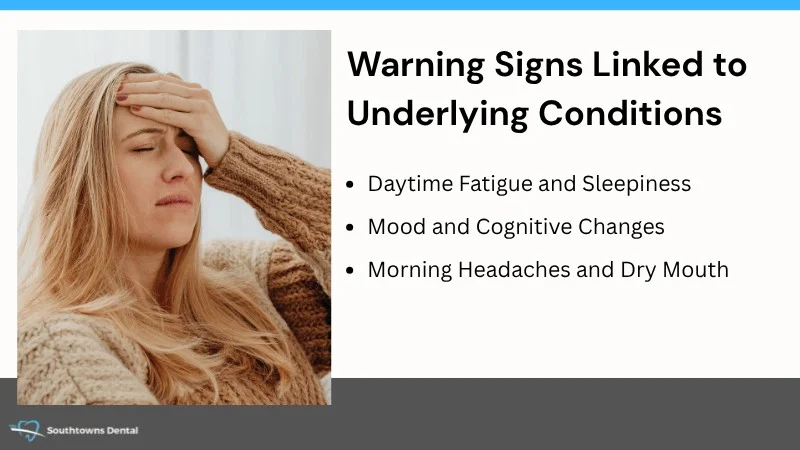
Daytime Fatigue and Sleepiness
If you feel tired throughout the day despite spending enough hours in bed, your snoring might be disrupting your sleep quality.
Excessive daytime sleepiness is one of the most common signs that snoring has become a medical issue.
You might notice yourself struggling to stay awake during meetings, while driving, or during routine activities.
This happens because interrupted breathing at night prevents you from reaching deep, restorative sleep stages. Your body never gets the rest it needs.
Daytime fatigue can also make you less alert and slower to react. These effects go beyond feeling groggy. They can increase your risk of accidents and make everyday tasks more difficult than they should be.
Mood and Cognitive Changes
Poor sleep from snoring-related breathing problems affects how your brain functions. You might experience difficulty concentrating on tasks that used to be easy for you.
Many people with sleep-disrupted snoring report mood changes like irritability and frustration. Depression and anxiety can develop or worsen when your body doesn’t get adequate rest night after night.
Your emotional regulation suffers when sleep quality drops.
Memory problems and trouble focusing at work or school are also common. These cognitive issues stem from your brain not getting enough time in the sleep stages needed for memory processing and mental restoration.
Morning Headaches and Dry Mouth
Waking up with a sore throat or dry mouth often means you’ve been breathing through your mouth all night. This happens when your airway is partially blocked during sleep.
Morning headaches are another warning sign. They occur because reduced oxygen levels during disrupted breathing affect blood flow to your brain. These headaches typically fade within a few hours of waking up.
If you regularly wake up with these symptoms, your snoring is likely more than just noise. Your body is telling you that something is interfering with normal breathing patterns during sleep.
Noticing snoring and sleep apnea symptoms? Schedule a professional evaluation today.
Underlying Causes and Risk Factors
Snoring stems from a combination of physical traits, daily habits, and health conditions that narrow your airway during sleep. Understanding these factors helps you identify whether your snoring needs medical attention.
Physical and Anatomical Contributors
The shape and size of your airway structures play a major role in what causes snoring. If you have a long soft palate or enlarged uvula, these tissues can vibrate against each other when air passes through your throat.
A deviated septum or nasal polyps can block your nasal passages and force you to breathe through your mouth. Large tonsils or a tongue that sits far back in your throat also reduce the space for air to flow freely.
Some people are born with a small or set-back jaw. This pushes the tongue closer to the airway opening. Extra tissue in your neck from being overweight adds pressure that narrows your breathing passage even more.
Lifestyle and Behavioral Triggers
Your daily choices directly impact how much you snore at night. Drinking alcohol relaxes the muscles in your throat, making them more likely to collapse and vibrate during sleep.
Taking sedative medications before bed has a similar effect on your airway muscles. Nasal congestion from allergies or a cold forces you to breathe through your mouth, which increases snoring.
Your sleep position matters too. When you sleep on your back, gravity pulls your tongue and soft tissues backward. Sleeping on your side often reduces this problem.
Smoking irritates and inflames your throat tissues, which narrows your airway further.
Medical Conditions That Increase Risk

Several health problems make snoring worse or more dangerous. Obstructive sleep apnea causes your airway to completely block during sleep, leading to pauses in breathing.
Pregnancy changes hormone levels and increases blood volume, which can swell nasal passages. High blood pressure and heart disease are both linked to untreated sleep apnea.
Endocrine disorders like hypothyroidism can cause tissue swelling in your airway. Chronic nasal congestion from conditions like sinusitis keeps your breathing passages inflamed.
Obesity remains one of the strongest risk factors because extra weight around your neck compresses your airway while you sleep.
Diagnosing Medical Snoring Problems
Doctors use a combination of detailed symptom evaluation and specialized sleep testing to determine if your snoring signals a serious health issue.
A healthcare provider will assess your sleep patterns and may recommend overnight monitoring to measure breathing disruptions.
Evaluating Symptoms with a Healthcare Provider
Your doctor will start by asking about your snoring habits and daytime symptoms. They’ll want to know if your partner has noticed breathing pauses during sleep or if you wake up gasping for air.
You should mention any excessive tiredness, morning headaches, or trouble focusing during the day. Your provider will examine your throat, nose, and neck to check for physical blockages like enlarged tonsils or a deviated septum.
Key information to share includes:
- How often and how loud you snore
- Whether you stop breathing during sleep
- Your energy levels throughout the day
- Any recent weight changes
- Medications you currently take
Based on this evaluation, your doctor might refer you to a sleep specialist for further testing.
They’ll also review your medical history to check for conditions like high blood pressure or heart disease that could be related to snoring and sleep apnea.
Role of Sleep Studies and Polysomnography
If your symptoms suggest sleep apnea, your doctor will likely recommend a sleep study for an accurate diagnosis.
Polysomnography is the most complete test that monitors your brain waves, breathing patterns, oxygen levels, and heart rate while you sleep.
You can complete this test at a sleep center overnight or sometimes at home with a portable device.
During an in-lab study, sensors attached to your body track how many times you stop breathing and how long each pause lasts.
A home sleep apnea test is simpler and measures breathing, oxygen levels, and snoring sounds. Your sleep specialist will analyze the results to determine if you have sleep apnea and how severe it is.
The data shows exactly when air flow is blocked and helps your doctor create the right treatment plan.
Treatment Options for Medically Significant Snoring
When your doctor determines that your snoring requires medical intervention, several proven treatments can help you sleep better and protect your health.
The right approach depends on the severity of your condition and what’s causing the airway blockage.
Lifestyle Changes and Home Remedies
Simple changes to your daily habits can make a big difference in reducing nighttime noise.
Maintaining a healthy weight is one of the most effective steps you can take, as excess weight around your neck can narrow your airway.
You should also limit alcohol and sedative medications, especially in the evening. These substances relax your throat muscles too much and make snoring worse.
Changing your sleep position helps many people. Sleeping on your side instead of your back keeps your airway more open. You can try using a wedge pillow or raising the head of your bed by a few inches.
If you have nasal congestion, address it with nasal strips or internal nasal expanders. These simple devices help air flow more easily through your nose during the night.
Medical Therapies and CPAP
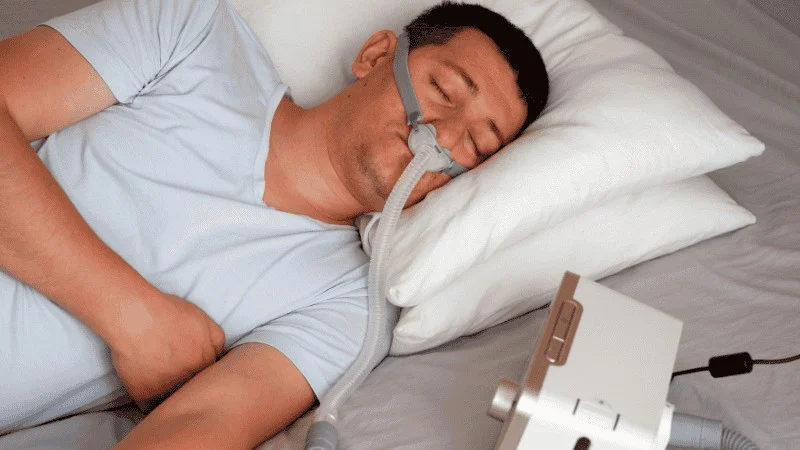
CPAP therapy is the gold standard treatment for obstructive sleep apnea and related snoring.
Continuous positive airway pressure machines pump pressurized air through a mask into your airway, preventing it from collapsing while you sleep.
Your doctor will prescribe a CPAP machine and work with a sleep technician to calibrate it for your breathing patterns.
The mask might feel uncomfortable at first, but most people adjust within a few weeks and notice major improvements in their restful sleep.
BiPAP machines offer an alternative with different pressure levels for breathing in and out. APAP machines automatically adjust pressure based on your breathing patterns throughout the night.
These devices are particularly important if you have moderate to severe sleep apnea, as untreated cases can lead to serious health problems like high blood pressure and heart disease.
Oral Appliances and Surgical Procedures
Oral appliances provide another effective option, especially if you can’t tolerate CPAP. Mandibular advancement devices hold your lower jaw forward to keep your airway open.
Tongue retaining devices prevent your tongue from sliding back and blocking your throat.
Your dentist or sleep specialist can fit you with a custom device that’s more comfortable and effective than over-the-counter options. These work well for mild to moderate cases and can significantly reduce snoring.
Surgery is rarely the first choice but may help if other treatments fail. Uvulopalatopharyngoplasty widens your airway by removing or adjusting tissue in your throat.
Other procedures can fix a deviated septum or remove nasal polyps that block airflow.
Your doctor will explain which surgical options make sense for your specific situation and what results you can expect.
Long-Term Health Risks of Untreated Problematic Snoring
When you ignore serious snoring, you’re not just dealing with tired mornings and grumpy partners. Your body faces real dangers that affect your heart, blood vessels, and mental well-being over time.
Risks for Heart and Vascular Disease
Your cardiovascular system takes a major hit when problematic snoring goes untreated. Sleep apnea is directly tied to an increased risk in cardiovascular and metabolic health, making it more than just a nighttime nuisance.
When your breathing stops repeatedly during the night, your blood oxygen levels drop. Your heart has to work harder to pump blood through your body.
This extra strain leads to high blood pressure, which many people with untreated sleep apnea develop over time.
The risks don’t stop there. Complications from snoring associated with sleep apnea include a greater risk of high blood pressure, heart conditions and stroke.
Your heart rhythm can become irregular, and you face higher chances of having a heart attack.
Mental Health and Quality of Life Issues

Your mental health suffers when you don’t get quality sleep night after night. Sleep deprivation from problematic snoring affects how you feel and function every day.
You might notice frequent frustration or anger and difficulty concentrating as common effects. These aren’t just personality changes – they’re symptoms of your brain not getting enough rest.
Depression and anxiety often develop in people with untreated sleep problems. When you’re exhausted all the time, everything feels harder to handle.
Your relationships suffer because you’re irritable and tired. Your work performance drops because you can’t focus or remember things as well as you used to.
Frequently Asked Questions
Snoring raises many questions about health risks, causes, and treatment options. Understanding when snoring becomes a medical concern can help you make informed decisions about seeking care.
What are the potential health risks associated with snoring?
Untreated snoring linked to sleep apnea can lead to serious health problems. Heart disease, stroke, and high blood pressure are among the most concerning risks.
Your brain and body don’t get enough oxygen when breathing stops repeatedly during sleep. This puts stress on your cardiovascular system over time.
Other health risks include diabetes, depression, and liver problems. You may also experience memory issues and excessive weight gain.
These complications develop because your body never gets the deep, restorative sleep it needs.
How can you differentiate between harmless snoring and a serious medical condition?
The frequency and severity of your snoring determine whether it’s a medical concern. Occasional soft snoring is usually nothing to worry about.
Loud, continuous snoring that disrupts others’ sleep often indicates a problem. If your partner reports that you gasp, choke, or stop breathing during sleep, you should see a doctor.
Excessive daytime fatigue despite spending enough time in bed is another warning sign. You might find yourself dozing off at work or struggling to stay awake during normal activities.
What methods can help to effectively reduce snoring?
Changing your sleep position can make a big difference. Sleeping on your side instead of your back keeps your airway more open.
Losing weight helps if you’re overweight or obese. Extra tissue in your neck and throat can block your airway during sleep.
Avoiding alcohol and sedatives before bed prevents your throat muscles from relaxing too much. You should also treat any nasal congestion that might restrict airflow.
Special mouthpieces and CPAP machines work well for people with sleep apnea-related snoring.
Can snoring be a sign of sleep apnea, and how is it diagnosed?
Loud, persistent snoring is one of the most common signs of obstructive sleep apnea. However, not everyone who snores has this condition.
Your doctor will ask about your symptoms and sleep habits. They’ll want to know if you wake up gasping for air or feel tired during the day. A sleep study provides the definitive diagnosis.
During a sleep study, doctors monitor your breathing, oxygen levels, and brain activity while you sleep. This test shows how many times you stop breathing and how long each pause lasts.
Are there specific causes of snoring in males and females?
Men are more likely to snore than women due to anatomical differences. They typically have narrower airways and larger necks.
Women’s snoring often increases after menopause when hormonal changes affect throat muscle tone. Pregnancy can also cause or worsen snoring due to weight gain and hormonal shifts.
Both men and women snore more when they’re overweight. The extra tissue around the neck puts pressure on the airway during sleep.
What lifestyle changes can benefit people who snore to improve their sleep quality?
Maintaining a healthy weight through diet and exercise reduces snoring for many people. Even losing a small amount of weight can open your airways.
Establishing a regular sleep schedule helps your body get better rest. You should aim for seven to nine hours of sleep each night.
Staying hydrated keeps the soft tissues in your throat from becoming sticky. Avoiding large meals, caffeine, and alcohol close to bedtime also improves sleep quality.
Elevating the head of your bed by a few inches can help keep your airway open throughout the night.