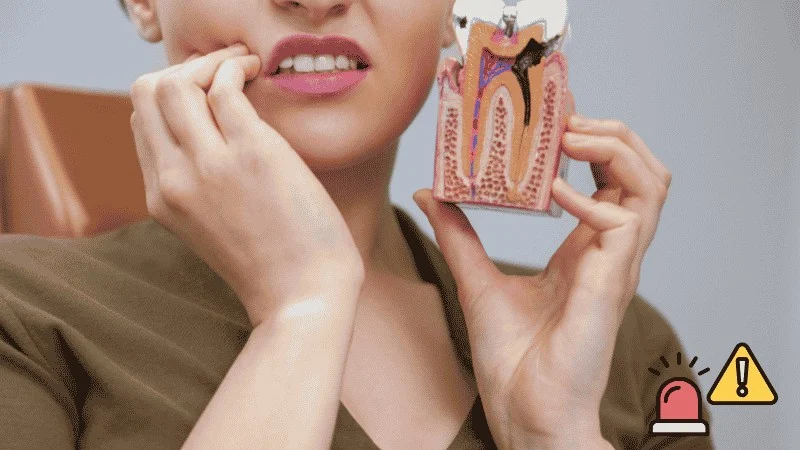
When you lose a tooth, you also lose the support that keeps your jawbone strong. Your body starts to shrink the empty area, and that bone loss can happen faster than you think.
In fact, studies show that up to 50% of the bone’s width can shrink after an extraction, with much of the change in the first few months, as explained in this review of bone grafting after tooth removal.
You need bone grafting after tooth extraction to prevent jawbone shrinkage, preserve your facial shape, or prepare the area for a future dental implant.
If you plan to replace the tooth with an implant, a graft often provides the support the implant needs.
You may not need a graft if the bone walls stay thick and healthy, especially in some back teeth.
If you want to avoid surprises later, it helps to understand how fast bone changes and what options you have right now.
Knowing when to graft can protect your long-term oral health and keep future treatments simple.
Key Takeaways
- Jawbone shrinkage can begin soon after a tooth is removed.
- Bone grafting helps preserve bone for implants and long-term support.
- Some extraction sites may heal well without a graft, depending on the bone condition.
Why Bone Loss Occurs After Tooth Extraction
When you lose a tooth, you also lose the root that keeps your jawbone active and strong.
Without that daily chewing pressure, the bone begins to shrink, which can change your appearance and limit future treatment options.
The Biology of Bone Resorption
Your tooth root does more than hold a crown in place. It connects to the jawbone through the periodontal ligament, which sends signals that keep bone cells active.
After tooth extraction, that ligament disappears. Your body no longer senses regular chewing pressure in that area, so it starts to remove the unused bone. This process is called bone resorption.
Bone loss begins quickly. In fact, jawbone loss after tooth extraction starts sooner than many people expect, with the most noticeable changes often happening within the first year.
You may not see changes right away. However, within the socket, your body is already reshaping the bone, reducing its height and width.
Impact on Jaw Structure and Appearance
Your jawbone supports your cheeks and lips. When bone loss occurs after tooth extraction, the support weakens.
Over time, the area where the tooth once sat can shrink inward. This shrinkage affects the alveolar ridge, the part of the jaw that holds your teeth.
You might notice:
- A sunken look near the missing tooth
- Thinner lips
- Changes in how your upper and lower teeth meet
The longer you wait to replace the tooth, the more the ridge can narrow. Many dentists recommend early action, such as ridge preservation, to reduce these structural changes and protect your facial balance.
Consequences for Dental Implants and Oral Health
Dental implants require sufficient healthy bone to remain stable. If bone loss progresses, you may not have the height or width required for secure placement.
Studies and clinical guidance indicate that bone loss after tooth extraction can complicate future implant placement, especially if several months pass without treatment.
You may then need bone grafting before implant surgery. This adds time, cost, and healing to your plan.
Bone loss also affects your overall oral health. Neighboring teeth can drift into the empty space, which may change your bite and make cleaning more difficult. Acting early with ridge preservation or timely tooth replacement helps protect both your jawbone and your long-term dental health.
If you’ve recently had a tooth pulled or are planning an extraction, come see us first. Visit us in Lackawanna, NY, to get your jawbone health evaluation and determine whether a same-day bone graft can help you avoid costly surgeries later.
When Bone Grafting Is Recommended
After a tooth extraction, your jawbone can shrink in both width and height.
Dentists recommend bone grafting based on how much bone you have left, your future plans for dental implants, and whether disease or injury has damaged the area.
Assessing Bone Volume and Quality
Your dentist first checks how much bone remains after tooth extraction. They look at both bone width and bone height, often using X-rays or 3D scans.
Research shows that up to 50% of the bone’s width can shrink after an extraction, with much of that change happening in the first few months, as explained in this review on bone grafting after tooth removal.
When bone becomes too thin, it may not support a stable implant.
If you still have thick bone walls and healthy gum tissue, you may not need a graft.
But if the outer bone wall is thin or missing, your dentist may suggest a bone graft after tooth extraction to protect long-term oral health.
Bone quality also matters. Soft or weak bone may not hold an implant securely, even if the height looks normal.
Future Plans for Dental Implants
Your plans for dental implants play a major role in this decision. Implants need sufficient bone to remain stable over time.
If you plan to replace the missing tooth with an implant, your dentist may place a graft at the time of extraction. Many providers recommend this step to preserve bone and reduce the risk of future problems.
you do not plan to get an implant and prefer a denture or bridge, you may not need grafting.
Some patients skip grafting when bone preservation is not a concern, which is discussed in this article on whether you really need a bone graft after tooth extraction.
Still, you should think long-term. Bone loss can limit your options later if you change your mind about implants.
Cases Involving Infection, Trauma, or Periodontal Disease
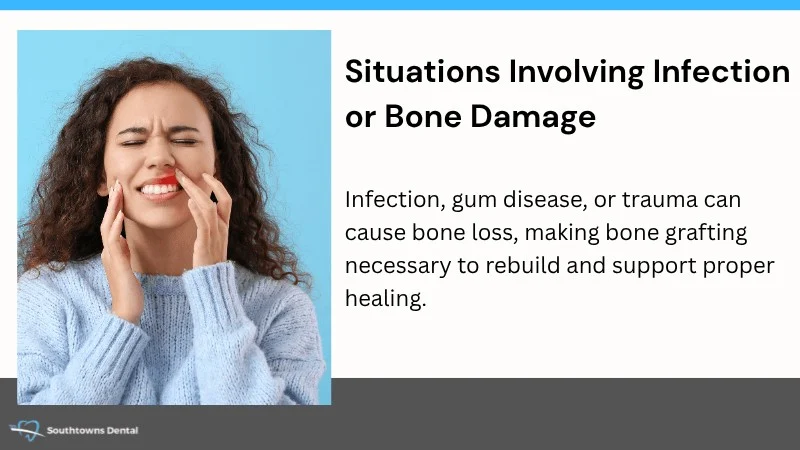
Infection and injury can destroy bone before or during tooth extraction. Advanced periodontal disease often leads to bone loss around the tooth roots.
When this damage exists, your dentist may recommend grafting to rebuild lost bone and support bone regeneration. A graft can help restore areas where infection has weakened the jaw.
Trauma, such as a cracked tooth or facial injury, can also leave defects in the bone. In these cases, grafting helps fill gaps and protect nearby teeth from shifting.
You may also need grafting if bone loss affects nearby structures or creates uneven contours. Acting early supports better healing and protects your long-term oral health.
Situations Where Bone Grafting May Not Be Needed
You do not always need a bone graft after a tooth extraction. Your dentist looks at how much healthy bone you have and what you plan to do next, such as placing dental implants or leaving the space empty.

Sufficient Healthy Bone Present
You may not need a bone graft if you still have enough strong, thick jawbone after your tooth extraction. Dentists often check this with an exam and dental X‑rays.
If the bone walls around the socket stay intact, your body can often heal the area on its own.
Research shows that bone loss can happen after an extraction, but not every case leads to severe shrinkage.
A clinical review on bone grafting after tooth removal explains that some socket types, such as thick bone in back teeth, may not require grafting.
You are more likely to avoid grafting when:
- The bone around the tooth is intact
- You have no active gum disease
- The extraction site is in the back of your mouth
- Your overall oral health is stable
In these cases, your natural healing may provide enough bone support, especially if you are not placing a dental implant right away.
No Implant or Restoration Planned
You may also skip a bone graft if you do not plan to replace the missing tooth. Bone grafting often prepares the area for future dental implants or supports a bridge.
If you do not want either option, grafting may not add a clear benefit.
According to guidance on whether a bone graft is necessary after tooth extraction, not every patient needs grafting. The decision depends on your treatment goals and health history.
If you choose not to replace the tooth:
- The jawbone in that area may shrink over time
- Nearby teeth can shift
- Your bite may change
Still, if the missing tooth does not affect your chewing or appearance, and you accept the risk of bone loss, you and your dentist may decide that a bone graft is not needed. Your long‑term oral health plan should guide that choice.
You don’t need to travel far for advanced socket preservation. Right here in Lackawanna, NY, we offer bone grafting procedures that keep your smile strong and your options open.
Types of Bone Grafts and Materials Used
Dentists choose different bone graft materials based on how much bone you lost and your future treatment plans. Each option has clear pros and limits that affect healing time, cost, and comfort.
Autografts
An autograft uses bone taken from your own body. Your dentist may collect it from your jaw during the same visit, or a surgeon may take it from another area in rare cases.
This type of graft contains your own living bone cells. It supports new bone growth and healing because your body accepts it naturally. There is no risk of rejection.
Autografts work well when you need strong bone support, such as before dental implants. They are often called the gold standard in bone grafting.
The main drawback is the need for a second surgical site if bone is taken from another area. That can mean more soreness and longer healing.
In routine tooth extractions, dentists often use other grafting materials to avoid this extra step.
Allografts
An allograft uses bone from a human donor. Tissue banks carefully screen and process this bone to make it safe for use.
These grafts do not contain living cells, but they still act as a framework for your body to build new bone. Your natural bone grows into the graft over time.
Many dentists use allografts for socket preservation after extraction. The material is readily available and avoids a second surgical site.
Healing is usually smooth, but it may take several months for full bone replacement. While modern screening reduces risk, some patients still prefer other types of bone grafts due to personal or religious concerns.
Xenografts
A xenograft comes from animal bone, most often bovine or porcine sources. Manufacturers remove organic parts and leave behind a mineral structure similar to human bone.
This structure acts as a scaffold. Your body grows new bone around and through it. Xenografts are widely used in dentistry and have been studied for decades.
One advantage is their close match to human bone mineral. Many dentists rely on them for socket preservation and implant support.
Some patients raise ethical or religious concerns about animal-based grafting material. Healing time is similar to other options, and the graft may remain in place longer as your body slowly replaces it.
Alloplasts
An alloplast is a synthetic bone graft material. It is made from lab-created substances such as calcium phosphate, ceramics, or bioactive glass.
These materials do not come from human or animal tissue. That means no donor site and no disease transmission risk. Many patients like this option for that reason.
Alloplasts act as a scaffold, much like other grafts. Your natural bone cells grow into the material over time. Some products dissolve slowly as new bone forms.
Dentists often use alloplasts for small to moderate bone defects. They are common in routine dental bone graft procedures after extractions.
While they may not contain living cells, they still support stable bone growth when your body has good healing ability.
What to Expect During the Bone Grafting Procedure
In many cases, your dentist places the graft at the same visit as your tooth removal. You can expect numbing, careful cleaning of the socket, placement of graft material, and closure to protect the area while it heals.
Step-by-Step Overview
A bone grafting procedure often starts right after tooth removal. If you need a surgical extraction, your dentist removes the tooth in sections to protect the surrounding bone.
Next, your dentist cleans the empty socket. This step removes bacteria and damaged tissue. A clean site lowers your risk of infection and helps the graft heal well.
Then your dentist places bone graft material into the socket. The material may come from your own body, a donor, an animal source, or a lab-made product.
According to the Cleveland Clinic’s overview of a dental bone graft process and purpose, the goal is to increase bone volume and density where it has thinned.
The full visit usually takes about the same time as a standard extraction, unless the case is complex.
Local Anesthesia and Comfort
Your dentist uses local anesthesia to numb the area before starting the bone graft procedure. You stay awake, but you should not feel sharp pain.
You may feel pressure or movement during the procedure. That is normal. Let your dentist know if you feel discomfort so they can add more numbing medicine.
Some offices offer sedation if you feel anxious. This can help you relax during a longer or surgical extraction.
After the procedure, you can expect mild swelling and soreness. Many patients report that recovery feels similar to a routine extraction.
Auburn Smiles explains typical dental bone graft recovery and healing stages, including early swelling that improves within a few days.
Ice packs and over-the-counter pain medicine often control discomfort.
Graft Placement and Site Closure
Once your dentist prepares the socket, they gently pack the graft material into the space. The goal is to fully fill the socket so your body can build new bone around it.
In some cases, your dentist places a thin membrane over the graft. This barrier protects the area and helps guide bone growth.
As described in this review of a tooth extraction with bone graft procedure, the graft sits inside the socket and stays covered during healing.
Your dentist then closes the site with stitches or allows the gum tissue to cover the area naturally. The closure keeps food and bacteria out.
Over the next few months, your body replaces the graft material with your own bone. This process creates a stronger base for a future implant or other dental work.
Not every extraction requires a graft, but the only way to know is through a professional evaluation. Schedule a quick consultation, and we’ll let you know if your socket is at risk for bone loss.
Bone Graft Recovery, Risks, and Long-Term Outlook
Healing after a bone graft takes time, and your actions play a big role in the result. You need to know what normal recovery looks like, how to control discomfort, and how to protect your long-term oral health.
Typical Recovery Process
Bone graft recovery happens in two stages. Your gums heal first, and the bone heals more slowly underneath.
Most people notice that the soft tissue closes in 1 to 2 weeks. Mild swelling often peaks around day two or three, then fades. You may see light bleeding the first day.
The bone takes much longer to rebuild. In many cases, it takes 3 to 6 months for the graft to blend with your natural bone. Some larger grafts can take closer to a year.
Dentists often place the graft right after removing the tooth, while the socket is still open. You can read more about the timing in this guide on bone grafts after tooth extraction.
During healing, you will attend follow-up visits. Your dentist checks the site and may take X-rays to confirm that new bone is forming.
Managing Pain and Common Side Effects
You may wonder, is bone grafting painful? Most people report mild to moderate soreness, not severe pain.
Dentists numb the area during the procedure. Afterward, you may need over-the-counter pain medicine or a short prescription. Discomfort usually improves within a few days.
Common side effects include:
- Swelling for 2–3 days
- Mild bruising
- A feeling of pressure in the area
- Small grains of graft material in your mouth
Swelling often responds well to a cold pack during the first 24 hours. Stick to soft foods and chew on the other side.
Clinical guidance explains that healing times vary based on the size of the graft and your overall health. If you smoke or have diabetes, healing may take longer.
Potential Complications and Graft Failure
Serious problems are not common, but you should know the warning signs. Early action can protect the graft.
Call your dentist if you notice:
- Heavy bleeding that does not slow down
- Fever or chills
- Worsening pain after several days
- Pus or a bad taste that does not go away
Graft failure happens when the material does not join with your natural bone. Infection, poor blood supply, smoking, or uncontrolled medical conditions can raise the risk.
If graft failure occurs, your dentist may remove the material and allow the area to heal before trying again. In some cases, you may need a different type of graft or another treatment plan.
Following aftercare steps closely lowers your risk.
Preserving Long-Term Oral Health

A successful graft supports strong, stable bone. This strength matters most if you plan to get a dental implant.
Research shows that bone can shrink after extraction, sometimes within the first year.
This article on why a bone graft may be recommended after tooth removal explains how grafting helps preserve the shape and volume of your jaw.
You protect your long-term oral health by:
- Brushing and flossing daily
- Keeping regular dental visits
- Avoiding tobacco
- Managing health conditions like diabetes
When the graft heals well, it creates a firm base for future treatment. That support can improve function, comfort, and stability for many years.
Whether you’re getting a tooth pulled next week or next month, it’s never too early to talk about bone preservation. Book your consultation now and make sure your jaw stays healthy for years to come.
Frequently Asked Questions
After a tooth is removed, your jawbone can shrink fast, especially in the first few months. The timing, cost, healing process, and your future dental plans all affect whether a bone graft makes sense for you.
How soon should a bone graft be done after a tooth is removed?
Dentists often place a bone graft on the same day as the extraction. This step helps protect the socket before major bone shrinkage begins.
Research shows that up to two‑thirds of bone volume loss can happen within the first three months after removal, as explained in this review of bone grafting after tooth removal.
Acting early can help preserve width and height in the jaw.
If you wait, you may still get a graft later. However, you might need a larger graft because more bone has already been lost.
What are the consequences of skipping a bone graft following a tooth extraction?
If you skip a graft, your jawbone can shrink in both width and height. Studies report that up to 50% of the bone’s width can be lost after extraction.
Bone loss can limit your options later. It may make dental implant placement more difficult or require additional procedures to rebuild the area first.
You may also notice changes in how a bridge fits or how your gum line looks. In some cases, the change is small. In others, it affects function and appearance.
Can you explain the overall cost range for a dental bone graft procedure?
The cost of a dental bone graft depends on the size of the area and the material used. Small socket grafts usually cost less than larger grafts that rebuild major bone defects.
Some medical centers explain the purpose and process of a dental bone graft, but your exact fee will vary by location and provider.
Dental insurance may cover part of the procedure, especially if it supports a future implant.
You should ask for a written treatment plan. That plan should list the graft, any membrane used, and follow‑up visits.
What should I expect during the recovery period after a bone graft?
You can expect mild swelling and soreness for a few days. Your dentist may suggest pain relievers and a soft food diet.
Most people return to normal activities within a day or two. You need to avoid chewing on the grafted side and follow cleaning instructions closely.
The bone itself takes several months to fully heal. During that time, your body replaces the graft material with new bone.
Is a bone graft always necessary when a wisdom tooth is extracted?
A bone graft is not always needed for wisdom teeth. Many back molar areas heal well without one.
However, if the tooth caused bone damage or if you plan to place an implant in that area, your dentist may suggest a graft.
Some dental offices explain that a graft is not required in every case of extraction in their discussion of whether everyone needs a bone graft after tooth extraction.
Your dentist will look at the bone walls around the tooth and your long‑term plans before making a recommendation.
How can I tell if I need a bone graft, even if I’m not planning on getting an implant?
You may need a graft if you already have bone loss from gum disease or infection. In those cases, removing the tooth can leave a thin or damaged bone wall.
Dentists often review X‑rays and check the thickness of the bone around the tooth. If the outer wall of bone is missing or very thin, a graft may help support the area.
Even if you do not plan on an implant now, preserving bone can keep your options open later. It can also help maintain the natural shape of your gums and jaw.