When a tooth becomes cracked or infected, you face an important choice.
Root canal treatment and tooth extraction are your two main options for treating a tooth with irreversible nerve damage, with root canals preserving your natural tooth while extractions remove it completely.
The right choice depends on several factors including the extent of damage, your overall dental health, and your long-term goals.
Understanding the difference between these procedures can help you make the best decision for your smile. A root canal saves your tooth by cleaning out the infected pulp inside and sealing it back up.
An extraction removes the entire tooth from your mouth, which means you’ll need to think about replacement options later.
Both treatments can relieve your pain and stop infection from spreading. But they work in very different ways and have different effects on your dental health down the road.
Knowing what each procedure involves, how much recovery time you’ll need, and what happens after treatment will help you feel more confident about your choice.
Key Takeaways
- Root canals preserve your natural tooth while extractions remove it completely from the socket
- Your dentist recommends treatment based on how badly damaged or infected your tooth is
- Recovery time and long-term costs differ significantly between saving and replacing a tooth
Learn more about root canal vs tooth extraction and choose the right treatment for your smile.
Root Canal vs. Tooth Extraction: Key Differences
A root canal saves your natural tooth by treating the infection inside, while tooth extraction removes the entire tooth from your mouth.
Each procedure has different steps, recovery times, and long-term effects on your dental health.
What Is a Root Canal and How Does It Work?
A root canal is a dental procedure that saves an infected or damaged tooth. Your dentist removes the diseased pulp from inside the tooth, cleans out the infection, and seals it back up.
The root canal treatment process starts with numbing your tooth. Your dentist drills a small hole to access the inner chamber. They remove the infected nerve and pulp tissue, then clean and disinfect the empty space.
After cleaning, your dentist fills the hollow area with a rubber-like material. A dental crown usually goes on top to protect and strengthen the tooth. This endodontic therapy lets you keep your natural tooth instead of losing it.
The procedure typically takes one or two visits. Most people feel relief from pain shortly after treatment.
Understanding Tooth Extraction Procedures
Tooth extraction means your dentist removes the entire tooth from its socket in your jawbone. This surgical solution removes the source of infection but creates a gap in your smile.
Your dentist numbs the area before loosening the tooth with special tools. They pull the tooth out along with its roots. Simple extractions take just minutes, while more complex cases may require cutting into the gum.
After removal, you’ll need to consider tooth replacement options. The empty space can cause nearby teeth to shift over time. This affects how you chew and may change your bite alignment.
Common replacements include dental implants, bridges, or partial dentures. These require additional appointments and procedures.
Some cases need bone grafts or other treatments before you can get a replacement tooth.
Comparing Benefits and Drawbacks
Root Canal Benefits:
- Keeps your natural tooth intact
- Preserves jawbone structure
- Usually costs less overall
- Maintains normal chewing function
- No need for tooth replacement
Root Canal Drawbacks:
- Requires a crown in most cases
- May need multiple visits
- Not possible for severely damaged teeth
Tooth Extraction Benefits:
- Completely removes infection
- Faster initial procedure
- Works for teeth too damaged to save
Tooth Extraction Drawbacks:
- Loses your natural tooth permanently
- Needs costly replacement options
- May require bone grafts
- Can be more uncomfortable than root canals
- Takes longer total treatment time
- Other teeth may shift position
When comparing root canal vs extraction, saving your tooth is usually the better choice. Nothing works quite like your natural tooth.
How to Decide: Saving or Removing the Tooth
Your dentist will examine your tooth to determine which option makes sense. They’ll take X-rays to see the extent of damage and infection.
You can usually save a tooth if it has enough healthy structure left. Root canal procedure works well when the tooth’s foundation is solid. Your dentist can rebuild and restore it with a crown.
Extraction becomes necessary when the tooth is too damaged. Severe decay, breaks below the gum line, or advanced gum disease may make it impossible to save a tooth.
Some cases involve teeth that are blocking others or causing crowding.
Cost plays a role in your decision. While extraction seems cheaper at first, tooth replacement adds up quickly. A root canal with a crown often costs less than extraction plus an implant or bridge.
Think about your long-term dental health goals. Keeping your natural teeth helps maintain bone density in your jaw. Ask your dentist about success rates for your specific situation.
Time commitment matters too. Root canals need follow-up appointments for crowns. Extractions require healing time before replacement procedures can start.
When Is Each Treatment Needed?
Knowing when you need a root canal versus a tooth extraction depends on the condition of your tooth and whether it can be saved.
Your dentist will look at signs of infection, what caused the damage, and if the tooth can be restored.
Recognizing Signs of Infected or Diseased Pulp

You might need treatment when you experience a severe toothache that won’t go away. Pain when chewing or applying pressure to a tooth often signals that the pulp inside has become infected or diseased.
Other warning signs include prolonged sensitivity to hot or cold temperatures that lasts even after the source is removed. You may notice swelling or tenderness in your gums near the affected tooth.
Discoloration of a tooth, especially darkening, can indicate that the pulp is dying or already dead.
Some people develop a pimple-like bump on their gums, which is called an abscess and means the dental pulp has become infected or inflamed.
If you notice any of these symptoms, schedule a dental appointment right away. Early treatment can often save your tooth with a root canal instead of requiring extraction.
Common Causes: Decay, Trauma, and Gum Disease
Deep tooth decay is the most common reason you might need either a root canal or extraction. When cavities penetrate through the enamel and dentin layers, bacteria can reach the pulp and cause infection.
Physical trauma to your mouth can also damage the pulp. A sports injury, car accident, or even biting down on something hard can crack a tooth deep enough to expose the inner tissues.
Gum disease or periodontal disease affects the tissues supporting your teeth. Advanced cases can loosen teeth and allow bacteria to reach areas they normally can’t access.
Repeated dental procedures on the same tooth can eventually irritate the pulp and cause problems. Large fillings or multiple treatments may weaken the tooth structure over time.
Assessing Damage and Restorability
Your dentist will determine if your tooth can be saved based on how much healthy tooth structure remains. Root canal treatment preserves your natural tooth when the damage is limited to the pulp.
A damaged tooth needs enough structure above the gum line to support a crown or filling after the root canal. If decay or fractures extend too far below the gum line, the tooth may not be restorable.
Your dentist will use X-rays to check the roots and surrounding bone. Extensive bone loss from periodontal disease might make it impossible to save the tooth.
Factors affecting restorability include:
- Amount of remaining tooth structure
- Location and extent of cracks or fractures
- Bone support around the tooth roots
- Your overall oral health and ability to maintain the tooth
Impacted wisdom teeth that can’t fully emerge are typically extracted rather than treated with root canals. These teeth are difficult to clean and often cause recurring problems.
When to Consider Specialist Care
An endodontist specializes in root canal procedures and treating the inside of teeth. Your general dentist may refer you to one for complex cases or teeth with unusual root anatomy.
You should see a specialist if you have a tooth with multiple canals, curved roots, or previous root canal treatment that failed. Endodontists use specialized equipment and techniques that can save teeth others might extract.
Certain teeth are more challenging to treat, particularly molars with three or four root canals. Back teeth also bear more chewing force, which requires expert assessment of whether they can withstand a restoration.
If you have severe gum disease, a periodontist might need to evaluate your tooth before deciding on treatment. Sometimes both specialists work together to save a compromised tooth.
Treatment Procedures and What to Expect
Both procedures involve removing infected tooth material, but the methods differ significantly.
A root canal preserves your natural tooth through careful cleaning and sealing, while extraction removes the entire tooth from its socket.
Steps of the Root Canal Procedure
Your dentist starts by numbing the area around your tooth. They then create a small opening in the top of your tooth to access the infected pulp inside.
The dentist removes all the diseased pulp tissue and cleans out the root canals. They use special files to shape the canals and flush them with disinfecting solutions. This step ensures all bacteria are eliminated.
Once cleaned, the canals are filled with a rubber-like material called gutta percha. This seals the space to prevent future infection. Your dentist may place a temporary filling to protect the tooth between visits.
Most root canal treatments require a follow-up visit. You’ll return to get a dental crown placed over the tooth for protection and strength. The crown restores your tooth’s full function and appearance.
In rare cases where the initial treatment doesn’t fully heal the infection, you may need endodontic retreatment. This involves reopening the tooth and repeating the cleaning process.
How Tooth Extraction Is Performed
Your dentist numbs the tooth and surrounding gum tissue before starting. For a simple extraction, they use an instrument called an elevator to loosen the tooth in its socket.
Once loosened, forceps grasp the tooth and remove it with gentle rocking motions. The entire process usually takes just a few minutes per tooth.
Tooth extraction involves complete removal of the tooth and its attachment from the bone. Your dentist may need to stitch the gum tissue closed, though this isn’t always necessary.
You’ll bite down on gauze to control bleeding and help a blood clot form. This clot is crucial for proper healing of the socket.
Pain Management and Anesthesia

Both procedures use local anesthesia to numb the treatment area completely. You’ll feel pressure during the procedure but shouldn’t experience pain.
Your dentist may offer sedation options if you feel anxious. These range from nitrous oxide (laughing gas) to oral sedatives or IV sedation.
The anesthesia wears off within a few hours after your appointment. You can take over-the-counter pain relievers as directed to manage any discomfort during recovery.
Most patients report that the actual procedure causes less discomfort than the original toothache. Modern techniques and anesthesia make both treatments relatively comfortable.
Role of Dental Tools and Materials
Root canal therapy requires specialized endodontic files in various sizes. These thin, flexible instruments clean and shape the narrow canals inside your tooth roots.
Your dentist uses irrigation solutions to flush out debris and kill bacteria. Digital X-rays help guide the treatment and confirm all canals are properly cleaned and filled.
Extraction procedures rely on elevators and forceps designed for different tooth types. Each tool has a specific shape to grip teeth effectively without causing unnecessary damage.
Both treatments require sterile instruments and materials. Your dentist follows strict protocols to prevent infection and ensure the best possible outcome for your oral health.
Recovery and Aftercare: Healing Your Smile
Recovery times differ between these two procedures, with root canals typically allowing faster return to normal activities while extractions require more healing time and carry specific risks like dry socket.
Root Canal Recovery Timeline and Tips
Most people return to normal activities within one to two days after a root canal. You might feel some tenderness around the treated tooth for a few days, but this usually goes away quickly.
Your dentist will give you aftercare instructions to follow.
Take any prescribed medications as directed and avoid chewing on the treated tooth until your permanent crown is placed. You can brush and floss normally, but be gentle around the sensitive area.
Common recovery tips include:
- Apply ice packs to reduce swelling in the first 24 hours
- Eat soft foods for the first few days
- Avoid very hot or cold foods that might cause sensitivity
- Keep your follow-up appointment to get your permanent restoration
Pain after a root canal should be manageable with over-the-counter medications. If you experience severe pain or swelling after several days, contact your dentist right away.
Tooth Extraction Recovery and Dry Socket
Tooth extraction recovery takes longer than root canal recovery, usually one to two weeks for complete healing. The first three days are the most critical for proper healing.
Dry socket is a painful condition that happens when the blood clot at the extraction site becomes dislodged. This exposes the bone and nerves underneath. About 2-5% of people develop dry socket after an extraction.
Signs of dry socket include:
- Severe pain two to three days after extraction
- Bad breath or unpleasant taste
- Visible bone in the socket
- Pain that radiates to your ear or eye
Follow your aftercare instructions carefully to prevent dry socket. Don’t use straws, smoke, or spit forcefully for at least 72 hours. Rinse gently with salt water after 24 hours and avoid the extraction site when brushing.
Restoring Chewing Function and Oral Health
After a root canal, your chewing function returns to normal once you receive your permanent crown. You’ll be able to eat normally and use that tooth just like before.
Tooth extraction recovery affects your ability to chew differently. You’ll need to avoid the extraction site while it heals and chew on the opposite side of your mouth.
Once healed, the missing tooth creates a gap that can shift other teeth and change your bite.
You’ll need a replacement option like a dental implant, bridge, or partial denture to maintain proper dental health. Without replacement, surrounding teeth may drift into the empty space.
This can affect your ability to chew properly and may cause jaw problems over time.
Managing Risks of Infection and Failed Treatments
Both procedures carry small risks of infection or failure. Watch for warning signs like fever, increasing pain, or swelling that gets worse instead of better.
A failed root canal can happen if bacteria remain in the tooth or new decay develops. You might need retreatment or extraction if this occurs.
Signs include ongoing pain, sensitivity, or a pimple-like bump on your gums.
Infections after tooth extraction are less common but can be serious. Keep the area clean and follow all care instructions. Call your dentist immediately if you develop fever, pus, or red streaks near the extraction site.
Take all prescribed antibiotics as directed, even if you feel better. Missing doses can lead to antibiotic-resistant infections that are harder to treat.
Long-Term Consequences and Tooth Replacement Options
The choice between extraction and root canal affects more than just your immediate comfort. Your jawbone health, facial structure, and replacement options all depend on which path you take.
Aesthetics: Smile Appearance After Treatment
A root canal lets you keep your natural tooth, which means your smile stays the same. Your dentist will place a crown over the treated tooth that matches your other teeth in color and shape.
Nobody will be able to tell you had the procedure done.
With extraction, you face a visible gap unless you choose replacement. A missing tooth can affect your smile and confidence, especially if it’s near the front of your mouth.
Your remaining teeth may gradually shift into the empty space, which can create crooked or uneven teeth over time.
If you choose tooth replacement options, you can restore your smile appearance with:
- Dental implants that look and function like natural teeth
- Dental bridges that fill the gap using adjacent teeth for support
- Partial dentures for a more budget-friendly solution
The type of replacement you pick affects how natural your smile looks. Implants offer the most realistic appearance because they replace both the tooth and root.
Preventing Bone Loss and Jaw Changes
When you keep your natural tooth through a root canal, the root stays in your jawbone. This root stimulates the bone every time you chew, which keeps the bone strong and healthy.
Your jaw maintains its shape and density over time.
Extraction removes the entire tooth, including the root. Without that stimulation, your jawbone starts to shrink. This process is called resorption, and it begins within a few months of losing a tooth.
Bone loss creates several problems:
- Your face can look sunken or aged
- Adjacent teeth lose support and may become loose
- Future dental work becomes more complicated
- Dentures may not fit properly anymore
The only way to prevent bone loss after extraction is with a dental implant. The implant acts like an artificial root that keeps your jawbone active.
Some patients also need a bone graft before getting an implant if too much bone has already been lost.
Choosing Between Dental Implants, Bridges, and More
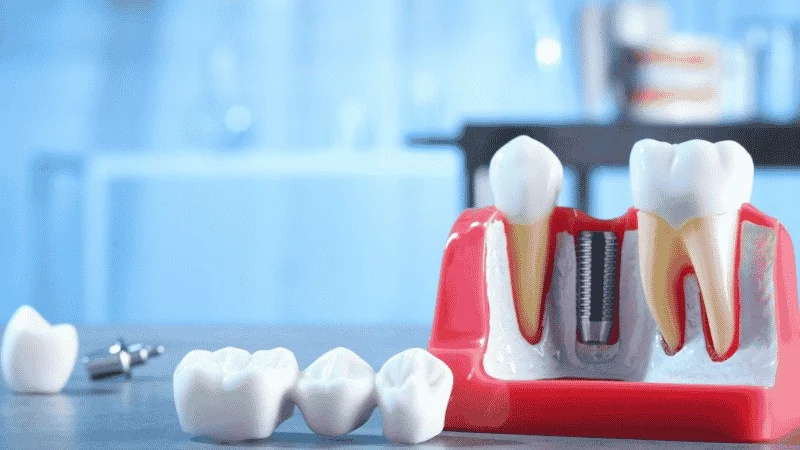
If extraction is your only option, you need to think about tooth replacement. Each option has different costs, benefits, and maintenance needs.
Dental implants are titanium posts surgically placed in your jawbone. They’re the closest thing to natural teeth and can last a lifetime with proper care. They prevent bone loss and don’t affect neighboring teeth.
The downside is they require surgery and cost more upfront than other options.
A dental bridge uses your adjacent teeth as anchors to hold a fake tooth in place. Your dentist files down the healthy teeth on either side to fit crowns that support the bridge.
Bridges are less expensive than implants and don’t require surgery. However, they only last 10-15 years and can damage the supporting teeth.
Partial dentures are removable appliances that replace one or more missing teeth. They’re the most affordable option but the least stable. You need to remove them for cleaning, and they don’t prevent bone loss.
Your choice depends on your budget, dental health, and how many teeth you’re replacing. Talk to your dentist about which option fits your situation best.
Final Considerations for Your Decision
Cost matters, but it shouldn’t be your only factor. A cheaper extraction might lead to more expensive problems later. Root canal treatment provides long-term value by keeping your natural tooth and avoiding replacement costs.
Think about how much time you can commit to treatment. Root canals usually need two visits plus a crown placement.
Extractions with implants can take several months from start to finish, especially if you need a bone graft first.
Your age and overall dental health also play a role. Younger patients benefit more from saving teeth because they have decades ahead of them.
Older adults with multiple dental issues might prefer extraction to avoid repeated treatments on the same tooth.
Ask your dentist these questions before deciding:
- Can this tooth be saved, or is it too damaged?
- What’s the success rate for treating this specific tooth?
- How much will each option cost with and without insurance?
- What happens if I do nothing right now?
The decision between root canal vs extraction should be based on your specific tooth condition and long-term goals. Get a second opinion if you’re unsure about the recommendation.
Frequently Asked Questions
Many people wonder about the pain levels, costs, and decision factors when choosing between these two dental procedures. Understanding the specific differences helps you make an informed choice with your dentist.
How do I decide whether I need a root canal or a tooth extraction?
The decision depends on the condition of your tooth and whether it can be saved.
Your dentist will take X-rays to check if there’s enough healthy tooth structure remaining and if the infection has damaged the bone around your tooth.
If the tooth has a strong foundation and the damage is limited to the pulp inside, a root canal can save it.
However, if the tooth is severely cracked, has advanced decay, or the surrounding bone is badly damaged, extraction might be your only option.
Your dentist will also consider your overall oral health and long-term goals. They’ll recommend the treatment that gives you the best chance of maintaining a healthy, functional smile.
Which is more painful: a root canal or having a tooth pulled?
Both procedures use local anesthesia, so you shouldn’t feel pain during the treatment itself. Most people report that root canals are less uncomfortable than extractions.
During a root canal, your dentist removes the infected pulp through a small opening in your tooth. The procedure focuses on cleaning and sealing the inside of your tooth.
An extraction involves removing the entire tooth from its socket in your jawbone. This means more tissue manipulation and a larger wound that needs to heal.
Recovery from a root canal is typically faster with less discomfort. After an extraction, you may experience more swelling and soreness for several days.
What are the main pros and cons of saving a tooth with a root canal versus extracting it?
A root canal lets you keep your natural tooth, which is the biggest advantage. Nothing looks, feels, or functions like your natural tooth, and keeping it helps maintain your jawbone and bite alignment.
The main downside of a root canal is that it requires a crown afterward to protect the treated tooth. This adds time and cost to your treatment.
Extraction removes the problem tooth completely, which eliminates the infection quickly. However, this creates a gap in your smile that can cause other teeth to shift.
You’ll need to replace an extracted tooth with an implant or bridge to prevent alignment problems. This requires additional procedures and dental visits.
Is it usually cheaper to get a tooth extracted or to have a root canal done?
The extraction procedure itself costs less upfront than a root canal. However, the total cost of extraction is usually higher when you factor in tooth replacement.
A root canal with a crown typically costs between $1,500 and $3,000 for a back tooth. A simple extraction might only cost $200 to $400.
But leaving a gap isn’t a good option for your oral health. A dental implant to replace an extracted tooth can cost $3,000 to $5,000 or more. Bridges also require significant investment.
Root canal treatment followed by a crown is often less expensive than extraction plus replacement. Your dental insurance coverage will also affect your out-of-pocket costs.
What symptoms suggest my tooth can be saved with a root canal instead of being removed?
If you have tooth pain that gets worse with hot or cold foods, your tooth pulp might be infected but the tooth could still be saved. Sensitivity that lingers after the temperature change goes away is another sign.
A tooth that hurts when you bite down or touch it might need a root canal. Swelling in your gums near a specific tooth also indicates infection in the pulp.
Discoloration of a tooth can mean the nerve inside is dying. If you notice a tooth turning gray or dark, the pulp might be damaged but the tooth structure could still be healthy enough to save.
However, if your tooth is loose, badly broken, or has a crack that extends below the gum line, extraction might be necessary. Your dentist will examine the tooth to determine if the structure is sound enough for a root canal.
Which option is generally safer: a root canal or a tooth extraction?
Both procedures are safe when performed by a qualified dentist. Root canals have a high success rate, and serious complications are rare with either treatment.
Root canals lower the risk of bite alignment problems because you keep your tooth in place. This helps prevent other teeth from shifting into the empty space.
Extractions carry a small risk of dry socket, a painful condition where the blood clot in the socket comes loose. This happens in about 2-5% of extractions.
Root canal treatment avoids the bone loss that naturally occurs after tooth extraction. When you lose a tooth, the jawbone in that area begins to shrink over time, which can affect your facial structure.