Teeth whitening is one of the most popular cosmetic dental treatments, but the options can feel overwhelming. Should you book an appointment with your dentist or grab a kit from the drugstore?
The answer depends on what you want to achieve and how quickly you need results.
Professional teeth whitening typically delivers faster, longer-lasting results with several shades of improvement, while store-bought kits offer a budget-friendly option that works best for mild surface stains.
The difference comes down to the strength of the whitening agents, how well the treatment fits your teeth, and whether a dental professional supervises your care.
Professional whitening often lasts one to four years, while store-bought results may fade within months.
Understanding how each option works can help you make a choice that fits your goals, budget, and timeline.
Whether you’re dealing with coffee stains or want a brighter smile for an upcoming event, knowing the real differences between professional and store-bought whitening will save you time and money.
Key Takeaways
- Professional whitening uses stronger agents and custom trays for faster, more noticeable results that last longer
- Store-bought kits work for mild stains but often deliver gradual improvements of only one to two shades
- Your dentist can evaluate your teeth before whitening to ensure safe treatment and realistic expectations
Compare professional teeth whitening vs at home options to find the best way to brighten your smile.
Table of Content
- How Teeth Whitening Treatments Work
- Professional Teeth Whitening: Methods and Benefits
- Store-Bought Whitening Kits and Over-the-Counter Options
- Comparing Whitening Results, Longevity, and Comfort
- Choosing the Right Whitening Option for Your Smile
- Frequently Asked Questions
How Teeth Whitening Treatments Work
Both professional and store-bought teeth whitening products use bleaching agents to break down stains, though they differ in strength and how quickly they work.
Active Ingredients and Bleaching Agents
Most teeth whitening treatments in cosmetic dentistry rely on two main bleaching agents: hydrogen peroxide or carbamide peroxide. These chemicals penetrate your tooth enamel and break apart the molecules that cause discoloration.
Hydrogen peroxide works faster because it’s already in its active form. Professional treatments typically use concentrations between 25% and 40%.
Carbamide peroxide breaks down into hydrogen peroxide when applied to your teeth. Store-bought kits usually contain 10% to 20% carbamide peroxide, which equals about 3% to 7% hydrogen peroxide.
The higher the concentration, the faster you’ll see results. Professional teeth whitening uses stronger ingredients than over-the-counter products, which is why dentist treatments can brighten your smile in one visit while store kits take weeks.
Your dentist may also use special lights or lasers to activate the bleaching gel. This speeds up the chemical reaction and helps the peroxide work more effectively.
Surface Stains vs. Deep Discoloration
Teeth whitening works differently depending on what type of discoloration you have. Surface stains come from foods, drinks, and tobacco that sit on your enamel. These respond well to most whitening products.
Deep discoloration develops inside your tooth from aging, medications, or trauma. This type is harder to treat and may not respond to store-bought kits.
Professional treatments work best on surface stains and natural teeth, but they can’t whiten crowns, veneers, or fillings. Coffee, tea, red wine, and berries cause the most common surface stains that bleaching agents can remove.
If you have gray or brown discoloration from tetracycline antibiotics or fluorosis, you’ll likely need stronger professional treatments. Store-bought kits typically only lighten yellow surface stains by a few shades.
Professional Teeth Whitening: Methods and Benefits
Professional teeth whitening involves dentist-supervised treatments that use prescription-strength whitening products and customized application methods.
These cosmetic dental treatments deliver faster results and better sensitivity management compared to store-bought options.
In-Office Whitening Procedures
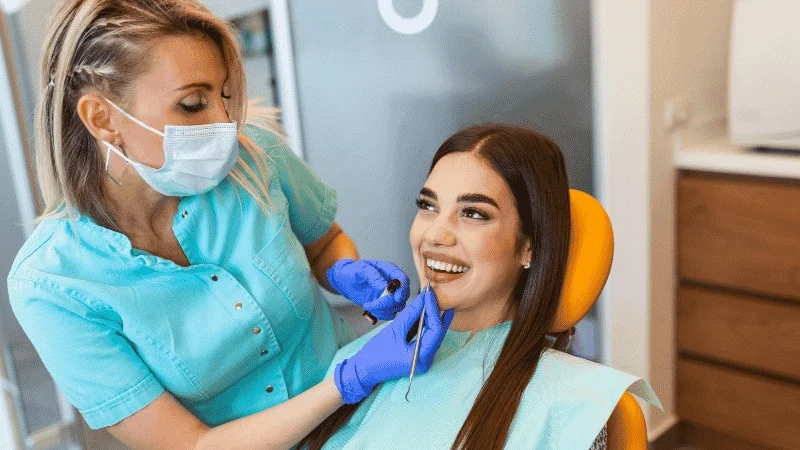
In-office whitening gives you the fastest path to a whiter smile in a single appointment. Your dentist applies a high-concentration bleaching gel to your teeth, often using a special light or laser to activate the whitening agents.
The procedure typically takes 60 to 90 minutes. You can expect your teeth to become several shades lighter in just one visit.
Professional teeth whitening uses stronger ingredients than store-bought products and delivers faster results. During treatment, your dentist protects your gums and soft tissues with barriers or protective gel.
This prevents irritation while allowing maximum contact between the whitening agent and your tooth enamel.
The concentration of hydrogen peroxide or carbamide peroxide in professional-grade whitening gel ranges from 25% to 40%. This is much higher than the 10% or less found in over-the-counter products.
Custom-Fitted Whitening Trays
Custom-fitted trays offer a middle ground between in-office treatments and generic store kits. Your dentist creates trays molded specifically to fit your teeth based on impressions of your mouth.
These whitening trays fit snugly against your teeth without gaps or overlaps. The precise fit ensures even coverage of the professional-grade whitening gel across all tooth surfaces.
You wear the trays at home for a specified time each day, usually between 30 minutes and several hours. Treatment typically lasts one to two weeks depending on your desired results.
The gel is stronger than store-bought options, and custom trays protect gums while ensuring even coverage.
The prescription-strength whitening formula your dentist provides works more effectively than generic alternatives because the custom fit prevents the gel from leaking onto your gums.
Whitening Consultation and Assessment
Your whitening consultation starts with an examination of your teeth and gums. Your dentist checks for cavities, gum disease, or other oral health issues that need treatment before whitening.
Not everyone is a good candidate for teeth whitening. Your dentist evaluates the type of staining you have and whether professional teeth whitening will work for you.
Surface stains from coffee, tea, or tobacco respond well to whitening treatments. Deep stains from medications or tooth trauma may require alternative cosmetic dental procedures like veneers.
Your dentist also examines any dental restorations you have. Whitening may not be effective for dental restorations like crowns or fillings, so you need to understand these limitations before starting treatment.
The consultation helps set realistic expectations for your whitened smile.

Professional Grade Gel and Sensitivity Management
Professional-grade whitening gel contains active ingredients at concentrations only available through dental offices. These higher concentrations work faster but can increase tooth sensitivity if not managed properly.
Your dentist can adjust the gel strength based on your sensitivity level. Some professional formulas include desensitizing agents like potassium nitrate or fluoride to reduce discomfort during treatment.
If you experience sensitivity, your dentist may recommend:
- Shorter application times to reduce exposure
- Lower concentration gel for gradual whitening
- Desensitizing toothpaste before and after treatment
- Fluoride treatments to strengthen enamel
The controlled environment of professional teeth whitening allows your dentist to monitor your response and make adjustments. This personalized approach minimizes side effects while maximizing results.
Your dentist can also provide prescription-strength sensitivity relief products not available in stores.
Contact our team in Lackawanna NY for guidance on professional teeth whitening vs at home kits.
Store-Bought Whitening Kits and Over-the-Counter Options
Store-bought teeth whitening products are available at drugstores and online without a prescription.
These over-the-counter whitening options use lower concentrations of bleaching agents and come in various forms like strips, gels, and toothpastes.
Popular OTC Products
You’ll find several types of store-bought whitening kits when you shop for teeth whitening. Whitening strips are thin, flexible plastic strips coated with peroxide gel that you apply directly to your teeth.
Whitening toothpaste contains mild abrasives and chemical agents to remove surface stains.
LED whitening devices combine a mouthpiece with blue light and whitening gel. Whitening pens let you paint gel onto individual teeth for spot treatment.
Charcoal-based pastes claim to absorb stains through activated charcoal particles.
Generic whitening trays come with pre-filled or refillable gel trays that fit over your teeth. Each product type varies in how long you need to use it and how often you apply it.
How Store-Bought Kits Differ
Store-bought whitening kits use lower-strength whitening agents compared to professional treatments. The hydrogen peroxide concentration typically ranges from 3% to 10% in OTC products, while professional treatments can use 15% to 40%.
These kits follow a one-size-fits-all approach with generic trays or strips. The trays don’t seal well against your teeth, which can cause gel leakage onto your gums.
Store-bought options lack customization for your specific tooth shape or staining pattern.
You don’t get professional supervision when using OTC whitening products. This means you won’t receive guidance on treatment duration or help managing sensitivity issues.
Store-Bought Whitening Gel and Strips
Whitening strips are the most popular over-the-counter whitening choice. You wear them for 30 minutes to an hour daily for about two weeks.
The strips stick to your front teeth but may not reach back teeth or spaces between teeth effectively.
Store-bought whitening gel comes in syringes or pens for application. Some kits include basic trays that you fill with gel yourself. The gel concentration is limited by safety regulations for unsupervised use.
Most people see results of 1-2 shades lighter after completing a full treatment cycle. The whitening effects from store-bought teeth whitening typically fade within a few months.
Common Limitations and Side Effects
Store-bought kits can help with mild surface staining but struggle with deeper discoloration. They often can’t address yellowing from aging or stubborn stains from coffee, tea, or tobacco.
You may experience uneven whitening because the strips or trays don’t fit your teeth properly.
Common side effects include:
- Tooth sensitivity to hot and cold
- Gum irritation from gel contact
- Uneven whitening results
- Enamel dehydration from overuse
Higher sensitivity rates occur with OTC whitening because you might use the products too frequently or for too long. The lack of gum protection means the whitening gel can easily touch your gum tissue and cause irritation.
Comparing Whitening Results, Longevity, and Comfort
Professional treatments deliver faster and more dramatic whitening results than store-bought options, but they also come with a higher price tag and potential for increased tooth sensitivity.
The difference in strength, application method, and supervision affects how white your teeth get, how long results last, and how comfortable you feel during treatment
Speed and Depth of Whitening Results
Professional whitening uses much stronger bleaching agents than store-bought kits. Dentists can apply hydrogen peroxide concentrations of 25-40%, while over-the-counter products typically contain only 3-10%.
This strength difference means professional teeth whitening works faster and delivers more noticeable results. You can see results in just one 60-90 minute session at the dentist’s office.
Store-bought kits require daily use for one to two weeks before you notice changes.
The depth of whitening also differs significantly. Professional treatments can lighten teeth by several shades in a single visit, making them effective for stubborn discoloration.
Store-bought whitening kits help with mild surface staining but often struggle with older or deeper stains.
Custom take-home trays from your dentist fall somewhere in between. They use stronger gel than drugstore products but require more time than in-office treatments to achieve similar whitening results.
Longevity and Plateaus
Neither professional nor store-bought whitening lasts forever. Whitening results may last anywhere from a few months to several years depending on your habits.
Professional treatments typically maintain their brightness longer because they penetrate deeper into your tooth enamel. The stronger bleaching agents create more lasting changes to tooth color.
Your lifestyle has a big impact on how long results last. Coffee, tea, red wine, and smoking all shorten the lifespan of your whitening.
If you avoid staining foods and drinks, especially in the first 24-48 hours after treatment, your results will last longer.
Store-bought kits fade faster because they only address surface stains. You’ll likely need touch-up treatments more frequently with over-the-counter products.
Professional whitening may require touch-ups once or twice a year, while drugstore options might need monthly refreshing.
Sensitivity and Gum Irritation Concerns
Tooth sensitivity is the most common side effect of whitening. You may feel brief discomfort with hot or cold foods after treatment. This happens because the whitening agents temporarily irritate the inner layer of your teeth.
Professional treatments often cause more initial sensitivity because of the stronger chemicals used.
However, dentists can apply protective barriers to your gums and may use fluoride before or during treatment to reduce discomfort.
Gum irritation occurs when whitening gel touches unprotected tissue. This causes tingling, burning, or redness around your gumline. Dentists carefully protect your gums during in-office procedures, which reduces this risk significantly.
Store-bought whitening kits can cause uneven whitening or gum problems if you don’t follow instructions carefully. Ill-fitting strips or trays may allow gel to leak onto your gums or miss certain areas of your teeth entirely.
Custom trays from your dentist fit better and distribute whitening gel more evenly across all tooth surfaces.
Choosing the Right Whitening Option for Your Smile
Your teeth are unique, and what works for someone else might not be the best choice for you. Several factors affect which whitening method will give you the safest and most effective results.
Considering Dental Restorations
If you have fillings, crowns, veneers, or bonding on your front teeth, you need to know that bleaching agents don’t work on these materials. Only natural tooth enamel responds to whitening treatments.
This means if you whiten your natural teeth, your dental restorations will stay their current color. The result can be noticeable color differences that make your smile look uneven.
A dentist can examine your mouth before you start any whitening treatment to identify this issue.
You might need to replace old restorations after whitening to match your new, brighter tooth shade. Some people choose to whiten first, then replace their dental work to match the improved color.
Professional teeth whitening offers customization that accounts for these concerns, while store-bought kits can’t adjust for individual dental work.
Cost and Investment Factors
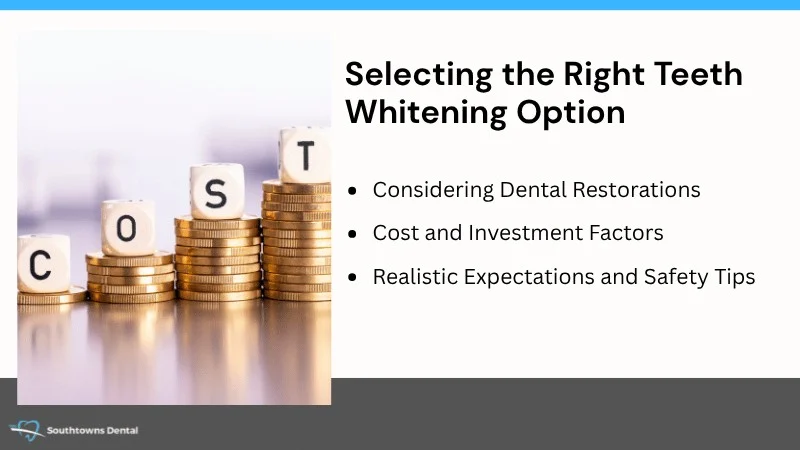
Store-bought whitening kits typically cost between $20 and $100, while professional whitening kit options from your dentist range from $300 to $800 for take-home trays or in-office treatments.
The lower upfront cost of drugstore products seems appealing, but you often need to buy them repeatedly for minimal results.
Professional treatments provide custom-fitted trays you can reuse for years with inexpensive touch-up gel refills.
Long-term value comparison:
- Store-bought: Temporary results that fade within weeks or months, requiring constant repurchasing
- Professional: Results lasting 1-3 years with occasional touch-ups
The investment in professional cosmetic dental treatments often proves more economical over time because you get dramatically better results that last significantly longer.
Realistic Expectations and Safety Tips
Not everyone is a good candidate for teeth whitening. Yellow-toned teeth typically respond better than gray or brown stains. Some stains from medications or internal tooth damage won’t lighten with any whitening method.
Safety considerations you should know:
- Never whiten over untreated cavities or gum disease
- Tooth sensitivity is common but manageable with professional guidance
- Pregnant or nursing women should avoid whitening treatments
- Teenagers under 16 shouldn’t whiten because their tooth pulp is still developing
Set realistic goals based on your starting tooth color. Professional and at-home whitening both have their own merits, but expecting white teeth from severely stained teeth in one week isn’t reasonable.
Your dentist can show you shade guides to help you understand what results are achievable for your specific situation.
Frequently Asked Questions
People often have similar questions when deciding between professional and store-bought whitening options. The answers can help you understand what to expect from each approach and how to choose what fits your needs.
How much whiter can I realistically get with in-office whitening compared with an at-home kit?
In-office whitening typically lightens teeth by six to ten shades in a single session. Store-bought kits usually produce results of two to four shades lighter over several weeks of use.
The difference comes down to the strength of the whitening agent. Professional treatments use higher concentrations of hydrogen peroxide or carbamide peroxide than what’s available in over-the-counter products.
Your dentist can also apply the gel more evenly and protect your gums during the process.
Your starting tooth color affects your results. If you have mild surface stains from coffee or tea, both options can work. Deep stains from medications or aging respond better to professional treatment.
Are dentist whitening treatments safer for my enamel and gums than store-bought kits?
Professional whitening is generally safer because a dentist supervises the entire process. Your dentist examines your teeth first to check for cavities, gum disease, or other issues that could cause problems during whitening.
Custom trays ensure even gel distribution and reduce the risk of gum irritation. Store-bought kits use one-size-fits-all trays that may not fit your mouth properly.
This can cause the whitening gel to leak onto your gums and create sensitivity or irritation.
Both professional and over-the-counter products are safe when used correctly. The main risk with store-bought kits is overuse.
Some people leave strips on too long or use them too frequently, which can damage enamel and increase sensitivity.
How long do professional whitening results usually last versus DIY whitening strips or trays?
Professional whitening results typically last longer than store-bought options. In-office treatments can last one to three years with good maintenance. Store-bought whitening strips usually last three to six months.
The difference happens because professional treatments penetrate deeper into your tooth enamel. The higher concentration of bleaching agents creates more lasting change to your tooth color.
Your habits affect how long results last. If you drink coffee, red wine, or tea regularly, your teeth will stain faster. Smoking also causes stains to return more quickly.
Touch-ups help maintain your results. With custom trays from your dentist, you can buy refill gel and touch up at home whenever needed.
Do over-the-counter whitening kits actually work, and what results should I expect?
Over-the-counter whitening kits do work for mild to moderate surface stains. You should expect gradual improvement over two to four weeks of consistent use.
Whitening strips and trays work best on yellowish stains caused by food and drinks. They’re less effective on grayish stains from medications like tetracycline. They won’t change the color of crowns, veneers, or fillings.
The key is managing your expectations. Store-bought products contain lower concentrations of whitening agents than professional treatments. This means the results are more subtle and take longer to appear.
Some people see no improvement from OTC kits. This usually happens when the stains are too deep or when the person has naturally darker tooth enamel.
What are the main differences between laser whitening and custom tray whitening from a dentist?
Laser whitening is an in-office procedure that takes about an hour. Your dentist applies a bleaching gel to your teeth and then uses a special light or laser to activate it. You see results immediately after one session.
Custom tray whitening involves trays made from impressions of your teeth. You take the trays home and wear them with professional-grade whitening gel for a certain amount of time each day.
The process takes one to two weeks to complete.
Laser whitening gives you faster results if you need a whiter smile for an upcoming event. Custom trays offer more flexibility since you can whiten on your own schedule. You also keep the trays for future touch-ups.
Both methods use professional-strength whitening agents. The main difference is timing and convenience. Laser whitening is one and done. Custom trays require commitment over several days.
When is it worth paying for professional teeth whitening instead of using a home kit?
Professional whitening makes sense when you have a specific event coming up and need fast results. In-office treatments deliver dramatic improvement in just one appointment.
You should choose professional whitening if you’ve tried store-bought kits without success. A dentist can identify why the OTC products didn’t work and recommend a solution that addresses your specific type of staining.
Professional treatments are worth the investment if you have sensitive teeth. Your dentist can use techniques and products that minimize discomfort during and after treatment.
If you have dental work like crowns or veneers, you need professional guidance. Whitening products don’t change the color of restorations.
Your dentist can help you understand how whitening will affect your overall smile and whether you need to replace any dental work to match your new tooth color.
Consider professional whitening an investment in long-term results. The initial cost is higher than store-bought kits, but the results last longer and you get personalized care throughout the process.