Many parents wonder when they should schedule their child’s first visit to an orthodontist. You might think you need to wait until all the baby teeth fall out or until you notice a problem.
The truth is simpler than you might expect.
The American Association of Orthodontists recommends that children complete their first orthodontic check-up by age 7.
This is one of the most important pediatric dentistry tips for parents to remember. At this age, your child has a mix of baby and permanent teeth, which gives the orthodontist valuable information about how their teeth and jaw are developing.
This early visit doesn’t always mean your child needs braces right away. It’s about catching potential problems early when they’re easier to fix.
You don’t need to wait for your dentist to make a referral. If you notice something looks off with your child’s teeth or bite, you can schedule an appointment on your own.
Early detection can help prevent more serious issues down the road and may make future treatment shorter and less complicated.
Key Takeaways
- Children should have their first orthodontic evaluation by age 7 when baby and permanent teeth are both present
- Early orthodontic assessment helps identify problems before they become more complicated to treat
- Parents can schedule an orthodontic visit without waiting for a dentist referral if they notice any concerns
Table of Content
- Understanding the Ideal Age for an Orthodontic Evaluation
- Key Signs That Indicate an Orthodontic Visit Is Needed
- What to Expect at Your Child’s First Orthodontic Appointment
- Benefits of Early Orthodontic Intervention
- Common Early Treatment Options for Children
- Frequently Asked Questions
Understanding the Ideal Age for an Orthodontic Evaluation
The American Association of Orthodontists recommends that children have their first orthodontic evaluation by age seven, when they typically have a mix of baby and permanent teeth that allows orthodontists to spot developing issues.
Why Age Seven Matters
The American Association of Orthodontists recommends age seven for your child’s first orthodontic visit. This timing isn’t random.
By age seven, your child’s first permanent molars have usually come in. These teeth help orthodontists see how your child’s bite is forming and whether the jaw is growing properly.
Early detection allows for:
- Treatment during active growth periods
- Prevention of more serious problems
- Reduction in the need for tooth extractions later
- Less invasive procedures compared to adult treatment
Some issues are much easier to fix while your child is still growing. A narrow upper jaw, for example, can be widened with a palatal expander during childhood. The same problem in an adult might require surgery.
What Is Mixed Dentition?
Mixed dentition means your child has both baby teeth and permanent teeth in their mouth at the same time. This stage typically happens between ages six and twelve.
During your child’s first orthodontic appointment, the orthodontist examines this mix of teeth. They can see how permanent teeth are coming in and whether baby teeth are falling out on schedule.
This stage gives orthodontists important clues. They can spot crowding before it becomes severe. They can see if permanent teeth might get stuck or come in crooked. They can also check if your child’s bite is developing correctly.
Early Versus Late Assessments
An early orthodontic evaluation doesn’t always mean immediate treatment. Most children who visit an orthodontist at age seven won’t need braces right away.
Your orthodontist might recommend one of three paths after the first orthodontic exam:
- No treatment needed – Everything is developing normally
- Monitoring – Regular check-ups to watch how teeth and jaws develop
- Early intervention – Treatment to prevent bigger problems
Waiting until age twelve or thirteen means you might miss the chance to guide jaw growth. Some problems become harder and more expensive to fix once growth is complete.
Early assessments create a baseline so your orthodontist can track changes over time.
Schedule your visit in Buffalo NY to discuss when should a child see an orthodontist.

Key Signs That Indicate an Orthodontic Visit Is Needed
Certain warning signs can tell you when your child needs to see an orthodontist before age 7. These signs fall into three main groups: how the teeth look, habits that affect oral health, and how the bite and jaw work together.
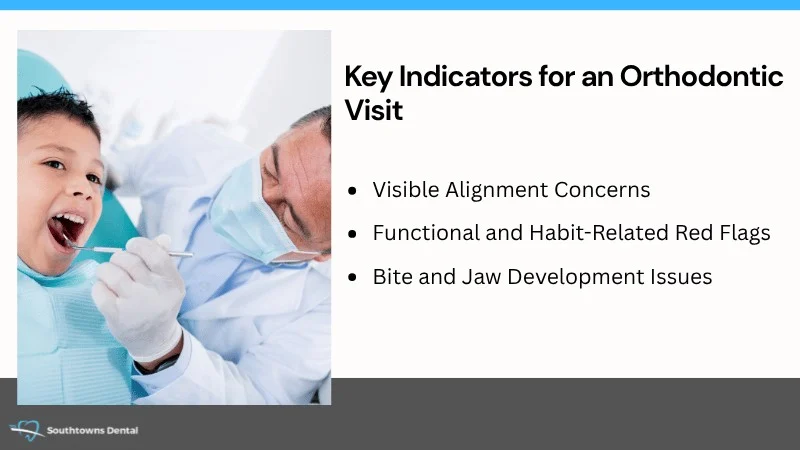
Visible Alignment Concerns
Crooked teeth and crowded teeth are among the most obvious signs that your child may need orthodontic care.
When teeth overlap or twist because there isn’t enough space in the mouth, this crowding can make brushing and flossing harder. This increases the risk of cavities and gum problems.
Protruding front teeth that stick out beyond the lower teeth can also signal a problem. These protruding teeth are more likely to get damaged during falls or sports activities.
You might also notice gaps between teeth or teeth that don’t line up properly when your child smiles.
Impacted teeth that haven’t broken through the gums when they should can create issues too. This happens when other teeth block the path or when there isn’t enough room.
Early or late loss of baby teeth can affect how permanent teeth come in, so late loss of baby teeth especially deserves attention from an orthodontist.
Functional and Habit-Related Red Flags
Mouth breathing can point to underlying orthodontic problems that need attention. Kids who breathe through their mouths instead of their noses may develop narrow jaws or other growth issues.
Thumb sucking and pacifier use beyond age 3 can push teeth out of alignment. Tongue thrusting, where your child pushes their tongue against their teeth when swallowing, can also cause spacing problems.
Difficulty chewing or biting can make eating uncomfortable or painful. While teething causes normal discomfort, ongoing difficulty chewing or biting may indicate orthodontic problems.
Cheek biting happens when the upper and lower teeth don’t fit together properly during chewing.
Bite and Jaw Development Issues
Bite alignment problems include several common conditions. An overbite occurs when upper front teeth overlap the lower teeth too much. An underbite means the lower teeth sit in front of the upper teeth.
A crossbite happens when some upper teeth close inside the lower teeth instead of outside them.
An open bite leaves a gap between upper and lower teeth even when the mouth is closed. Jaw misalignment can cause jaws to shift or click during movement.
These issues affect how your child chews food and can lead to jaw pain or uneven facial growth.
Mixed dentition, when baby and permanent teeth are both present, gives orthodontists the best chance to spot problems early. Tooth eruption patterns that seem off schedule may signal developing issues with bite or spacing.
Contact our team in Lackawanna NY for guidance on when should a child see an orthodontist.
What to Expect at Your Child’s First Orthodontic Appointment
The first orthodontic visit involves a thorough examination of your child’s teeth and jaws, various imaging tools to see the complete picture, and a conversation about any issues found and whether treatment is needed now or later.
The Orthodontic Assessment Process
The orthodontist will start your child’s first orthodontic appointment by reviewing your child’s medical and dental history. They’ll ask about any concerns you have about your child’s teeth or bite.
Next comes the clinical examination. The orthodontist will look at your child’s teeth, gums, and jaw. They check how the upper and lower teeth fit together when your child bites down.
They also watch how your child’s jaw moves when opening and closing their mouth.
During this orthodontic assessment, the specialist looks for spacing issues, crowding, bite problems, and jaw alignment.
They check if baby teeth are falling out on schedule and if permanent teeth are coming in properly. The orthodontist also evaluates your child’s facial symmetry and profile.
This part of the visit is painless. Your child simply opens their mouth and follows basic instructions while the orthodontist examines everything carefully.
Tools and Imaging Used
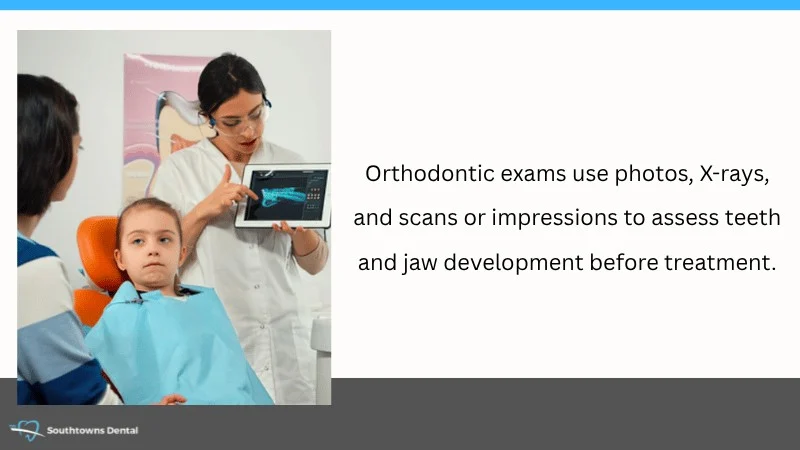
Most orthodontic offices take digital photos of your child’s face, profile, and teeth during the first orthodontist visit. These photos create a visual record of how things look before any treatment.
X-rays give the orthodontist a view of what’s happening beneath the gums. A panoramic x-ray shows all the teeth, including ones that haven’t come in yet.
A cephalometric x-ray captures the relationship between the jaws and facial bones.
Some practices use digital scanners instead of traditional impressions. These scanners create 3D models of your child’s teeth without the need for goopy impression material.
Other offices still use physical impressions with dental trays filled with molding material.
All of these tools help the orthodontist see the complete picture of your child’s dental development.
Discussion of Findings and Next Steps
After completing the orthodontic consultation, the orthodontist will explain what they found. They’ll show you the photos and x-rays to help you understand your child’s current situation.
You’ll receive one of these recommendations:
- No treatment needed – Your child’s teeth and jaws are developing normally
- Monitor and wait – Periodic check-ups to watch development without immediate treatment
- Early intervention – Treatment now to address specific problems
- Future comprehensive treatment – Wait until more permanent teeth come in
If treatment is recommended, the orthodontist will explain why it’s necessary and what it involves. They’ll discuss timing, how long treatment might take, and what results to expect. You’ll also get information about costs and payment options.
This is your chance to ask questions about anything you don’t understand. A good orthodontist will take time to address your concerns and help you make informed decisions about your child’s care.
Benefits of Early Orthodontic Intervention
Early orthodontic intervention can address developing problems before they become more complex. Starting treatment at the right time allows orthodontists to work with your child’s natural growth patterns to achieve better results.
Guiding Jaw Growth and Bite
One of the biggest advantages of early orthodontic treatment is the ability to guide your child’s jaw development while they’re still growing.
Between ages 6 and 10, your child’s jawbones are still forming and respond well to gentle correction.
Phase 1 treatment can fix problems like underbites and crossbites more easily during this growth period. A palatal expander, for example, can widen a narrow upper jaw to create proper alignment.
This type of correction becomes much harder once facial growth is complete.
Your orthodontist can also help ensure that incoming permanent teeth have enough space to come in properly.
By guiding jaw growth now, you may prevent your child from needing more invasive procedures like tooth extractions or jaw surgery later.
Preventing Severe Problems Later
Early orthodontic intervention catches issues when they’re easier to fix. Problems like severe crowding, extra teeth, or abnormal bite patterns tend to get worse over time if left untreated.
Starting treatment early can actually reduce the overall time your child spends in braces. When orthodontists address spacing or alignment issues during phase 1 treatment, the second phase often goes faster and smoother.
Some children can avoid braces altogether with early intervention. Removing certain baby teeth at the right time or breaking habits like thumb sucking can prevent problems from developing in the first place.
Boosting Confidence and Oral Health
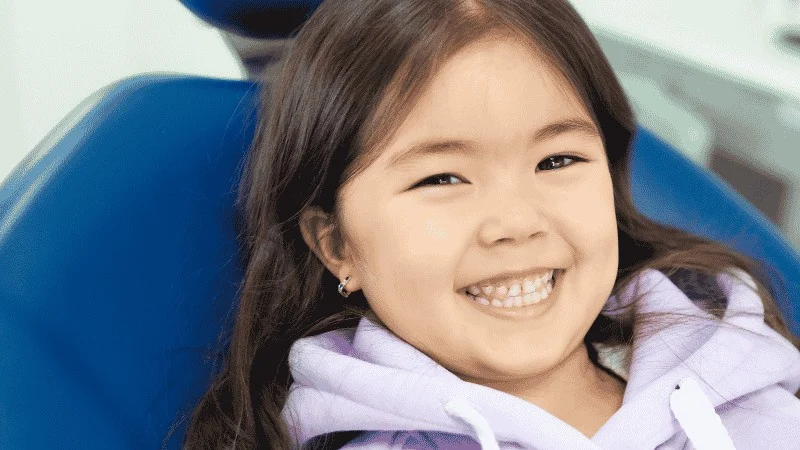
Your child’s smile affects how they feel about themselves. Early treatment can improve the appearance of protruding front teeth or gaps that might make your child feel self-conscious at school.
Beyond aesthetics, early orthodontic intervention improves your child’s ability to bite, chew, and speak properly. Teeth that are properly aligned are also easier to clean, which reduces the risk of cavities and gum disease.
Problems like mouth breathing or tongue thrusting can be corrected early to support healthy development. These corrections help your child’s oral structures develop normally, setting them up for better long-term health.
Common Early Treatment Options for Children
When your child needs early orthodontic care, several treatment options can help guide their teeth and jaw development. These treatments work best during the growing years when the mouth and jaw are still developing.
Space Maintainers and Their Uses
If your child loses a baby tooth too early, a space maintainer keeps the gap open until the permanent tooth is ready to come through.
Without this device, nearby teeth can drift into the empty space and block the permanent tooth from coming in properly.
Space maintainers are small metal or plastic appliances that fit in your child’s mouth. Some are removable, but most are cemented to the teeth next to the empty space.
Your child wears the space maintainer until the permanent tooth starts to emerge.
These devices are especially important for back teeth, where losing a baby tooth early can cause serious crowding problems later. The treatment helps prevent more complex orthodontic work as your child gets older.
Palatal Expanders and Appliances
A palatal expander widens the upper jaw when it’s too narrow to fit all the permanent teeth properly. This device works by applying gentle pressure to the upper molars, gradually widening the roof of the mouth over several months.
Your orthodontist will show you how to turn a small key in the expander each day or week. Each turn creates a tiny amount of expansion. The process is usually painless, though your child might feel pressure during adjustments.
Palatal expanders work best in children because their jaw bones haven’t fully hardened yet. Once the jaw reaches the right width, your child wears the expander for a few more months to let the bone solidify in its new position.
Partial Braces in Early Phases
Partial braces address specific problems without treating the entire mouth at once. Your orthodontist might place brackets and wires on just a few teeth to correct a crossbite, guide an incoming tooth, or create space for crowded teeth.
This approach takes less time than full braces and costs less too. Your child typically wears partial braces for several months to a year.
The treatment can prevent bigger problems from developing and may shorten the time needed for full braces later.
Partial braces look like regular braces but only cover the front teeth or a specific problem area. They’re a good option when early intervention can save your child from more extensive treatment during their teenage years.
Frequently Asked Questions
Parents often have similar questions about timing, costs, and what to expect when taking their child to see an orthodontist.
Understanding the differences between specialists and knowing warning signs can help you make informed decisions about your child’s dental care.
What is the difference between a pediatric orthodontist and a regular orthodontist?
All orthodontists complete dental school plus two to three additional years of specialized training in orthodontics. They focus on straightening teeth and correcting jaw problems.
A specialist in pediatric dentistry (orthodontist) has extra training or experience working specifically with children. However, most general orthodontists also treat children regularly and are qualified to handle young patients.
The main difference is comfort level and office environment. Some practices focus more on children with kid-friendly waiting rooms and staff trained to work with young patients.
What are the early signs that my child might need orthodontic treatment?
You might notice your child has difficulty chewing or biting food properly. They may also breathe through their mouth frequently or have teeth that don’t meet correctly when they close their mouth.
Crowded or overlapping teeth are common warning signs. Baby teeth that fall out too early or too late can also indicate future problems.
Watch for thumb sucking or pacifier use past age three. These habits can affect how teeth and jaws develop.
Your child might have a jaw that shifts or makes sounds when opening and closing. Teeth that stick out or a chin that seems too small or too large compared to the rest of the face are also signs to watch for.
How early is too early to schedule an orthodontic evaluation for a child?
The American Association of Orthodontists recommends an evaluation by age 7. This is not too early because enough permanent teeth have usually come in by then.
Going before age seven is generally not necessary unless your dentist sees a specific problem. Most issues are easier to spot once the first permanent molars and front teeth have emerged.
Age 7 is recommended for evaluation, not necessarily for treatment. Most children who visit at this age will not get braces right away.
What happens during a child’s first orthodontic appointment?
The orthodontist will examine your child’s teeth, jaw, and bite. They will look at how the teeth fit together and check for any spacing or crowding issues.
They may take photos of your child’s face and teeth. X-rays help the orthodontist see teeth that haven’t come in yet and check jaw development.
The orthodontist will discuss any concerns they find with you. They will explain whether your child needs treatment now or if you should wait and come back for periodic check-ups.
Most orthodontists offer free consultations and early evaluations for kids. The visit typically takes 30 to 60 minutes.
What are the pros and cons of early orthodontic treatment for kids?
Early treatment can fix problems before they become more serious. A palatal expander can widen the upper jaw while your child is still growing, which may prevent the need to remove teeth later.
Correcting bite problems early can help permanent teeth come in better. It may shorten the time your child needs braces as a teenager.
The downside is that some children may need two phases of treatment instead of one. This means your child might wear braces or other appliances twice, which costs more money and takes more time.
Not all problems need early treatment. Some issues are better handled when all permanent teeth have come in during the teenage years.
How can I find a children’s orthodontist who accepts Medicaid in my area?
Contact your state’s Medicaid office to get a list of orthodontists in your area who accept the insurance. You can also check the Medicaid website for your state, which often has a provider search tool.
Call orthodontic offices directly and ask if they accept Medicaid. Some practices accept it for certain procedures but not others.
Keep in mind that Medicaid coverage for orthodontics usually requires the problem to be severe enough to affect your child’s health. Cosmetic issues typically are not covered.
Your child’s dentist may also have recommendations for orthodontists who work with Medicaid patients. They often know which local practices accept various insurance plans.