Getting replacement teeth on the same day as implant surgery sounds convenient, but not everyone qualifies.
Same day dental implants eligibility depends on your jawbone health, gum condition, bite forces, and how firmly the implant can be secured during surgery.
With dental implants, some patients can receive a fixed temporary tooth or bridge immediately after placement.
However, the implant still needs several months to bond with the surrounding bone before the final restoration is fitted.
Although single-visit dentistry can complete certain dental treatments in one appointment, same-day implants involve additional healing stages.
Your dentist will assess your eligibility before treatment and confirm implant stability during surgery to determine whether a temporary restoration can be attached immediately.
Understanding these requirements and possible alternatives can help you prepare for treatment and know what to expect from the process.
Key Takeaways
- Same-day teeth are almost always temporary, and the final crown or bridge comes after the bone heals.
- Firm implant grip at surgery, healthy gums, and enough bone decide whether a tooth can be attached right away.
- A good plan includes a backup option, soft-food rules, and a clear list of what your price covers.
Table of Content
- What Do You Actually Get on Implant Surgery Day?
- Who Can Safely Receive Same-Day Teeth?
- How Does the Same-Day Implant Process Work?
- How Does Immediate Loading Compare with Waiting?
- Choosing a Timeline That Protects Your Implant
- Frequently Asked Questions
What Do You Actually Get on Implant Surgery Day?
On surgery day, a qualified patient gets one or more implants plus a provisional restoration, which is a temporary tooth or bridge fixed to the implants.
The final restoration is made later, after the bone has fused to the implant. That can mean a single temporary crown or a full fixed temporary bridge, depending on how many teeth you’re replacing.
What Does Immediate Loading Mean?
Immediate loading means a tooth is attached to the implant soon after it’s placed, before healing is complete. In clinical research, the window is short. One widely cited review of immediate loading in partial and full arches.
You’ll also hear “same-day dental implants” or “teeth in a day.” These are friendly names for the same idea.
Immediate loading is a separate decision from immediate placement.
The International Team for Implantology’s consensus report defines immediate placement as putting the implant in on the same day of tooth extraction, as part of the same procedure. You can have one without the other:
- Immediate placement, delayed loading: the tooth comes out, the implant goes in, and the implant heals without a tooth on it.
- Delayed placement, immediate loading: the socket heals first, then the implant and temporary tooth go in together.
- Immediate placement and loading: extraction, implant, and temporary tooth all happen in one visit.
Is the Same-Day Tooth a Temporary or Permanent Restoration?
Plan on a temporary basis. A provisional crown is usually made of acrylic or a similar material that’s easy to adjust while your gums settle and reshape.
For a single tooth, your dentist will often shape the temporary so it sits slightly out of contact with the teeth that bite against it.
That keeps chewing pressure off the healing implant. It also means the tooth looks complete but won’t handle hard foods yet.
The permanent crown is built later from stronger material, once your gum line has stopped changing.
If you’re curious how that differs from crowns made in one visit on natural teeth, our post on what you need to know about same day crowns explains the contrast.
Can One Tooth or a Full Arch Be Replaced?
Both are possible. Most immediate-load cases are full arches, where four or more implants are joined by one rigid temporary bridge.
The All-on-4 approach uses two straight and two angled implants to support a whole upper or lower set of teeth.
Splinting implants together spreads biting force across all of them, which helps each one stay still. A single implant has no partner to share the load, so single-tooth cases need extra care.
A systematic review found that single-tooth implants carried a greater risk of failure under immediate loading than when they were allowed to heal first.
If you’re weighing those two routes, read our breakdown of single tooth implants vs full arch dental implants.
Who Can Safely Receive Same-Day Teeth?
You’re a strong candidate when you have enough dense bone, healthy gums, good general health, and an implant that locks in firmly during surgery.
Grinding habits, active gum disease, smoking, and thin or soft bone all push the odds toward a staged plan.
How Do Bone and Gum Health Affect Eligibility?
Your jawbone works like the soil around a fence post. Bone quality, bone density, and bone volume all decide how tightly the implant sits.
After a tooth is lost, the bone in that spot slowly shrinks, so a gap you’ve had for years may hold less bone than a fresh extraction site.
A CBCT scan gives your dentist a 3D view of your bone. It shows height, width, and nearby nerves or sinuses before anyone picks up a tool.
Your gums count just as much. Active gum disease brings bacteria and swelling that interfere with healing, so it gets treated first. Healthy gums and steady home care protect the implant during those early months.
Our guide on whether you’re a candidate for dental implants walks through the health history side.
Why Is Implant Stability Checked During Surgery?
Primary stability is the firm, mechanical grip an implant has the moment it’s seated. Your surgeon measures it, most often by insertion torque (how much twisting force it takes to turn the implant into place).
Some offices also use a small device that reads implant stability as a number.
This check happens in the chair because no scan can fully predict it. Bone that looks fine on a CBCT can feel softer once drilling starts.
Researchers have pointed out that in immediate loading, the clinician decides whether to load the implant at the time of surgery, and that’s exactly how it should work for you.
Bite force is the other half. Tiny movements from chewing or clenching disrupt the bone trying to grow onto the implant. That’s why grinders often get a night guard or a delayed plan.
When Might a Graft or Delayed Approach Be Safer?
Waiting is the safer path when there isn’t enough bone to grip the implant. Common examples:
- Large bone loss after a long-missing tooth or an infection
- A thin wall of bone at the front of the socket
- Upper back teeth sitting close to the sinus, which may need a sinus lift
- An active infection at the extraction site
- Uncontrolled diabetes or heavy smoking
A bone graft rebuilds missing bone, and bone grafting sometimes happens at the same visit as the implant.
Grafted bone still needs months to mature. In those cases, your dentist will usually let the implant heal without a load, and you’ll wear a different temporary in the meantime.
How Does the Same-Day Implant Process Work?
The dental implant procedure follows a set order: planning, extraction if needed, implant surgery, a stability check, and a temporary tooth if the numbers support it.
Osseointegration, the bonding of bone to implant, then runs for months before the final teeth arrive.
Can Extraction, Implant Placement, and a Temporary Tooth Happen in One Visit?
Yes, when the conditions are right. A typical one-visit day looks like this:
- Numbing and sedation. Local anesthetic, plus sedation if you’d like it.
- Gentle extraction. Your implant dentist removes the tooth while protecting the bone around the socket.
- Implant placement. The implant goes into the socket, often guided by a digital plan built from your scan.
- Stability check. Torque or a stability reading confirms the grip.
- Temporary attached. A provisional crown or bridge is fixed in place and adjusted for your bite.
Full-arch days run longer, often several hours. Prep work makes a difference, so it helps to read how a dentist prepares a dental implant surgery and how to prepare for oral surgery before your appointment.
What Happens If the Implant Is Not Stable Enough?
Your surgeon switches plans on the spot, and that’s a sign of good care. The implant still goes in. It just heals without a tooth pressing on it.
Common backups include:
- A healing cap that sits at gum level while the bone bonds
- A flipper or removable partial that clips onto nearby teeth
- An Essix retainer, a clear tray holding a tooth in the gap
- Your existing denture, relined so it doesn’t press on the implants
You still leave without an empty-looking gap in most cases. The difference is that the temporary isn’t fixed to the implant. Ask about this backup before surgery so you aren’t surprised.
When Is the Final Crown or Bridge Fitted?
The final restoration usually goes in about three to six months after surgery, once your implantologist confirms the implant is solid. Lower jaws often heal a bit faster than upper jaws because the bone tends to be denser.
At that stage, your dentist takes new impressions or digital scans of your healed gums. The permanent crown or bridge is then made to match your bite and shade.
Our article on what dental implants look like after healing shows how the gums settle around the finished tooth.
How Does Immediate Loading Compare with Waiting?
Immediate loading gives you teeth sooner, while traditional dental implants with delayed loading give the bone time to bond with no pressure on it. For carefully selected patients, both approaches show strong results.
The Cochrane review on implant loading times compared same-day loading with waiting in randomized trials, and those trials only included patients who already met strict criteria.
| Factor | Immediate loading | Delayed loading |
| Teeth on surgery day | Fixed temporary | Removable or none |
| Stability needed at surgery | High | Moderate |
| Diet early on | Strict soft foods | Soft foods, less pressure risk |
| Suited to grafted bone | Limited | Yes |
| Final restoration | After 3–6 months | After 3–6 months |
What Are the Benefits and Disadvantages of Same-Day Teeth?

The biggest benefit is that you never go without a fixed tooth in the visible spot. Patients tell us that matters most for front teeth, work, and social plans.
A fixed temporary also helps shape your gums as they heal, which supports a natural look later.
The drawbacks are real too. Your diet is more restricted, because pressure on a fresh implant raises the risk of implant failure.
You may need more chair time on surgery day. And there’s a chance the plan changes mid-surgery if stability falls short.
How Do Healing, Diet, and Follow-Up Affect the Result?
Your habits during the first two months carry a lot of weight. A temporary tooth on a healing implant is meant for looks and light use. It can’t handle unrestricted chewing.
Practical rules we give patients:
- Eat soft foods such as eggs, yogurt, pasta, fish, and mashed vegetables for about six to eight weeks.
- Chew on the other side, and cut food into small pieces.
- Skip nuts, crusty bread, ice, and sticky candy.
- Brush gently and use any rinse your dentist prescribes.
- Don’t smoke or vape.
Keep every follow-up visit. Your dentist checks the bite, looks for swelling, and catches a loose temporary early. For a week-by-week picture, see how long recovery for dental implants usually takes.
What Should You Ask About Cost and the Backup Plan?
Ask for a written quote that lists each piece. A same-day price can look higher or lower depending on what’s bundled in. Useful questions:
- Does the price include the CBCT scan and planning?
- Are extractions, bone grafting, or a sinus lift included?
- Is the temporary included, and the final crown or bridge too?
- What’s the cost if the implant can’t be loaded and you need a removable temporary?
- How many follow-up visits are covered?
- What happens, and what does it cost, if an implant doesn’t heal?
Choosing a Timeline That Protects Your Implant
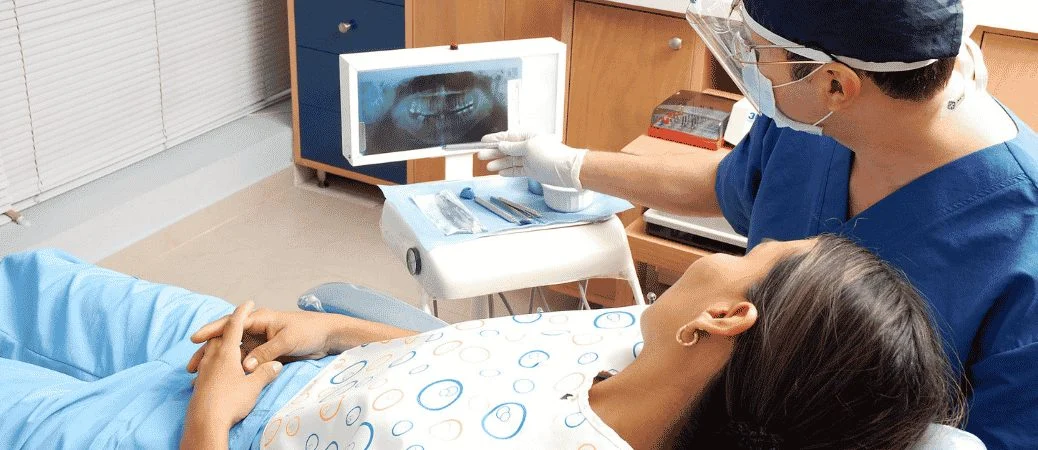
The best timeline is the one your bone and gums can support. Same-day teeth are a great fit when the implant grips firmly, your gums are healthy, and your bite can be kept gentle while you heal.
A short wait is the better choice when any of those pieces is missing.
Bring these points into your consultation:
- Your scan results: ask how much bone you have and whether grafting is likely.
- Implant stability: ask what reading your surgeon needs before attaching a tooth.
- Your bite: mention grinding or clenching so a night guard can be planned.
- Backup plan: agree on which temporary you’ll wear if loading isn’t safe.
- Recovery: plan meals and time off for the first week.
- Your quote: confirm it covers both the temporary and the final teeth.
A plan built around these checks keeps your long-term result as the goal. You can learn more about our approach to dental implants and meet our dentists before you decide.
Frequently Asked Questions
Can you get your teeth pulled and implants placed on the same day?
Yes, if the socket is free of active infection and there’s enough bone left to hold the implant firmly. Your surgeon makes the final call after seeing the site.
If the socket is damaged, the implant may be placed after a few months of healing.
Can you get temporary teeth if immediate loading is not possible?
Yes. You can wear a flipper, a clear retainer with a tooth, a removable partial, or a relined denture while the implant heals. These aren’t fixed to the implant, so they come out for cleaning.
Does a same-day implant hurt more or take longer to heal?
Most people feel about the same soreness as with a standard implant, mainly swelling and tenderness for a few days. Bone healing takes the same three to six months either way. The fixed temporary doesn’t speed that up.
Are immediate-load implants as successful as delayed-load implants?
In well-chosen patients, results are close, especially for full arches where implants are splinted together. Single implants loaded right away have shown a higher failure risk in research.
Careful screening and a soft diet narrow that gap.
Do same-day dental implants cost more than traditional implants?
Sometimes. Pricing changes with the number of implants, any grafting, and whether the temporary and final teeth are both included.
Ask Southtowns Dental for an itemized quote that also lists the cost of the backup plan if loading on surgery day isn’t safe.