You crack a tooth on Tuesday and your calendar is already packed. The last thing you want is two dental visits weeks apart, plus a temporary crown that might pop off while you eat lunch.
Single-visit crowns let your dentist scan, design, and place a permanent crown in about one to two hours during a single appointment, so you can fix a damaged tooth without juggling multiple trips to the office.
Digital scanning replaces the putty molds, and a milling machine shapes the crown right there in the office.
Same-day dental crowns are a good fit for many people, but not everyone. Ceramic works well for most repairs, though severe damage or a tricky bite may call for a lab-made crown instead.
Below, you will see how the appointment works, how the two options compare, and what to think about before you book.
Key Takeaways
- Your dentist can prep, design, and bond a permanent crown in one appointment.
- Digital scanners and in-office milling machines make this quick dental restoration possible.
- Same-day crowns suit most mild to moderate tooth damage, but complex cases may need a lab-made crown.
Need a damaged or cracked tooth restored without multiple appointments? Ask our dental team about single-visit crowns in Lackawanna, NY, and find out if same-day treatment is right for you. [2]
Table of Content
- What Happens During One Appointment
- The Technology That Makes Fast Treatment Possible
- Same-Day and Lab-Made Options Compared
- Who Is a Good Candidate for This Approach
- Practical Considerations for Busy Patients
- Frequently Asked Questions
What Happens During One Appointment
A single-visit crown packs the whole process into one trip: your dentist checks the tooth, numbs the area, shapes it, takes a digital scan, designs the crown on a computer, mills it from a ceramic block, and bonds it in place.
Knowing the order of these steps makes the appointment feel a lot less mysterious.
Exam, Numbing, and Tooth Preparation
Your visit starts with a close look at the tooth. Your dentist checks the tooth structure, any old fillings, cracks, and how your bite lines up. X-rays or other dental images may be taken to see what’s happening below the gum line.
If a crown makes sense, you’ll usually get local anesthesia so you stay comfortable.
Next comes tooth preparation. Your dentist reshapes the tooth to make room for the crown while keeping as much healthy enamel as possible. Damaged or decayed areas are cleaned out first.
This step matters more than most people realize. A well-shaped tooth gives the crown a snug fit, which helps it last and keeps food and bacteria from sneaking underneath.
Digital Scanning Instead of Traditional Molds
Once the tooth is ready, your dentist takes a digital impression with a handheld intraoral scanner. The wand moves around your tooth and builds a 3D image on a screen in a few minutes.
No trays. No thick putty. No gagging.
Digital scans capture the prepared tooth, the teeth next to it, and the way your upper and lower teeth meet. That 3D model becomes the blueprint for your crown.
Another nice perk: if a spot gets missed, your dentist just rescans that area instead of starting a whole new mold. The file goes straight to the design software, so there’s no shipping and no waiting on a lab.
Crown Design, Milling, and Final Bonding
Using the scan, your dentist designs the crown on the computer. Software helps fine-tune the shape, contours, contact points with nearby teeth, and bite alignment so the crown works like a natural tooth.
Once the design is approved, it’s sent to an in-office milling unit. The machine carves the crown from a solid ceramic block, often in under an hour.
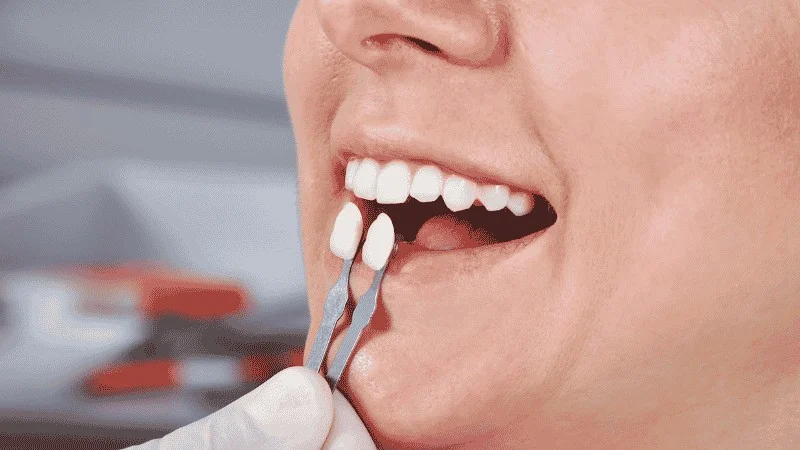
Many practices then polish or glaze it and can tint it to match your other teeth.
Before crown placement, your dentist tries it in and checks four things:
| What’s checked | Why it matters |
| Fit | The crown should seat fully with no rocking |
| Bite | High spots can cause soreness or chipping |
| Comfort | Edges shouldn’t irritate your gums |
| Appearance | Shade and shape should blend in |
Small adjustments are common. When everything looks right, the crown is bonded in as a permanent dental restoration.
How Long the Visit Usually Takes
Plan on a longer appointment than a routine filling. Many practices report the full process runs about one to two hours, while others schedule two to three hours to cover prep, scanning, milling, and cementing.
Your actual time depends on the tooth, the material, and how much repair work is needed before the crown. Back molars and teeth with big cracks often take longer.
The milling stretch is mostly downtime. Bring headphones or a book, or ask if you can step out for coffee.
Compare that to a traditional crown: two appointments spread over several weeks, plus a temporary crown to babysit in between. One longer visit often means less time off work overall.
The Technology That Makes Fast Treatment Possible
A same-day crown comes down to three aspects of single-visit dentistry working together: a digital scanner that maps your tooth, design software that builds the crown on screen, and a small milling machine that carves it right there in the office.

How CAD/CAM Creates a Custom Crown
CAD/CAM stands for computer-aided design and computer-aided manufacturing. It’s the same basic idea used in car and airplane parts, now applied to dental technology.
Your dentist starts by scanning your prepared tooth with a small handheld camera. Instead of biting into a tray of putty, you get a rapid digital scan that takes a couple of minutes.
Those images become a 3D model on a screen. The CAD software then designs a crown that matches the shape of your bite and the space left by the damaged tooth.
Your dentist can rotate the model, adjust the edges, and check how it meets the tooth above or below it. Once the design looks right, the file goes straight to the mill.
CEREC Systems and Chairside Dentistry
CEREC is the best-known name in this space. It stands for Chairside Economical Restoration of Esthetic Ceramics, and it has been used in dental offices since the 1980s.
A CEREC system bundles the scanner, the design software, and the mill into one workflow. Because everything sits in the office, CEREC crowns are made in a single appointment instead of being shipped to an outside lab.
CEREC isn’t the only option; several companies now make similar in-office systems. What they share is the chairside approach, meaning the work happens while you stay in the treatment room.
For you, that means:
- No putty impressions in most cases
- No temporary crown to baby for two weeks
- One numbing session instead of two
At Southtowns Dental, we use modern dental technology to make restorative care more convenient and comfortable.
If a single-visit crown is right for your tooth, our team can guide you through the process and help restore your smile without the usual wait between appointments.
From Ceramic Block to Finished Restoration
The in-office milling machine holds a solid block of ceramic, usually about the size of a large sugar cube. Blocks come in different shades so your dentist can pick one close to your natural tooth color.
Diamond-coated burs then grind that block down to the exact shape from the design file. Milling usually takes 10 to 20 minutes, depending on the crown.
Next comes a short trip to a small oven. Heating strengthens the ceramic and brings out a more natural shine and translucency.
Your dentist checks the fit, adjusts your bite, and polishes or stains the surface if needed. Then the crown gets bonded in place; and you leave with a permanent restoration the same day.
Same-Day and Lab-Made Options Compared
Same-day crowns and lab-made crowns both restore a damaged tooth, but they differ in how long treatment takes, which materials your dentist can use, and whether you need a temporary crown in between.
Here’s how the two approaches stack up on time, fit, strength, and flexibility.
Appointment Time and Temporary Crown Requirements
The biggest difference is your schedule. Same-day crowns are finished in one 2-3 hour visit, while traditional crowns need two appointments spread over 2-3 weeks.
With the single-visit method, your dentist scans your tooth, designs the crown on a computer, and mills it in the office while you wait.
With traditional dental crowns, you leave the first visit wearing a temporary crown. That placeholder protects the tooth, but it’s cemented lightly and can loosen if you chew something sticky or hard.
Skipping the temporary also means you avoid a second round of numbing shots. That’s part of why completing treatment in one visit appeals to people with busy schedules or travel plans.
Fit, Appearance, and Long-Term Performance
You don’t have to trade quality for speed. Research suggests same-day CEREC crowns and traditional lab crowns land in roughly the same range for fit and longevity, so a faster crown isn’t automatically a weaker one.
Both types are made to look like a real tooth. Same-day crowns are milled from high-quality ceramic blocks to match a natural appearance, and digital scans avoid the goopy impression trays some people dislike.
One more perk: digital design is precise, so less enamel may need to be removed during a same-day crown procedure.
Where lab crowns can pull ahead is on front teeth. A skilled technician can hand-layer shades and add subtle color variation that’s hard to mill from a single block.
Material Choices and Strength Considerations
Your material choice affects how the crown handles bite forces and how natural it looks.
| Material | Best for | Notes |
| Lithium disilicate | Front and many back teeth | Strong, translucent, available for same-day milling |
| Zirconia | Molars, heavy grinders | Very strong; some types are milled chairside, others need a lab oven |
| Layered porcelain | Highly visible front teeth | Built up by hand at a dental laboratory |
| Metal or metal-based crowns | Back teeth, tight spaces | Durable but not natural-looking |
Molars take the heaviest bite forces, so strength matters more there than color matching. Your dentist will weigh grinding habits, tooth position, and how much healthy tooth structure is left.
When a Dental Laboratory May Offer More Flexibility
Lab-fabricated crowns give your dentist a wider range of materials and more room for customization.
That extra flexibility helps in specific situations:
- Multiple crowns or a full smile makeover, where shade and shape need to match across several teeth
- Front teeth that require fine color blending to match neighbors
- Bridges and implant crowns with complex designs
- Heavy grinding that calls for a high-strength zirconia processed at a lab
Traditional crowns also let you approve the look before final cementing. Talk with your dentist about which route fits your tooth and your calendar, since both options have real trade-offs on customization versus convenience.
Who Is a Good Candidate for This Approach
Most people who need a crown can get one in a single appointment, as long as the tooth has enough healthy structure left and your gums are in decent shape.
A few situations still call for a lab-made crown, and knowing the difference ahead of time saves you from surprises at your appointment.
Common Reasons a Tooth Needs Protection
A crown covers the whole tooth, so it’s used when a filling won’t hold up anymore.
Here are the usual reasons your dentist might suggest one:
- An old filling that needs to be replaced because it is cracked, or because the remaining enamel walls have become too thin.”
- A cracked or broken tooth from biting something hard or from an injury
- Deep decay that has taken out too much of the tooth
- A tooth after a root canal, which becomes more brittle and needs full coverage
- Worn-down teeth from years of grinding
- Misshapen teeth that don’t function well with the ones around them
Any cavities or gum problems need treatment first. Dentists want good oral health and enough intact tooth structure before starting restorative work.
Situations That Often Work Well in One Visit
Back teeth are the easiest cases. Molars and premolars sit out of sight, so the shade doesn’t need to match perfectly, and a solid ceramic block handles chewing pressure well.
Teeth that just had a root canal are also a good fit. You’re already in the chair, and finishing the crown the same day protects the tooth right away.
Replacing a failing filling on a single tooth is another common one. So is fixing a chipped tooth before a trip or a busy stretch at work.
The tooth needs clear, visible edges above the gumline for the scanner to read. If your dentist can see the margin easily, the digital scan and milling steps usually go smoothly.
Complex Cases That May Need a Different Plan
Some teeth do better with a crown made at an outside lab. That’s not a setback; it’s just a better tool for the job.
| Situation | Why a Lab Crown May Be Better |
| Edges sitting deep below the gumline | Hard to capture in a digital scan, which affects fit |
| Heavy grinding or clenching | May need a stronger material and a nightguard |
| Very little tooth left | Lab work can add reinforcement |
| A single front tooth | Layered shading gives a closer match to neighbors |
| Full-mouth reconstruction | Multiple teeth and bite alignment need staged planning |
Severe tooth damage, active gum disease, or an infection that hasn’t cleared will also push your treatment to a later date. These situations often call for a traditional, lab-made crown instead.
Questions to Discuss With Your Dentist
Bring a short list with you. It makes the conversation easier and helps you compare your choices.
Try asking:
- Is there enough healthy tooth structure left for a same-day crown?
- How does my bite alignment affect which material you’d pick?
- Do I grind my teeth enough to need a nightguard afterward?
- Would a lab-made crown last longer on this particular tooth?
- What’s the cost difference between the two options?
- How much will my insurance cover, and do you need pre-authorization?
Ask about timing too. Some offices schedule a longer block for same-day work, so you’ll want to know how much of your day it takes.
Practical Considerations for Busy Patients
Before you book a single-visit crown, it helps to think through the appointment length, your budget, and how your tooth may feel afterward. A little planning makes the day easier and helps your new crown last.
Convenience, Comfort, and Dental Anxiety
The biggest draw is simple: one appointment instead of two or three. That means less time off work or school and fewer trips across town.
Plan for a few hours in the chair, since the tooth is prepared, scanned, and the crown is milled while you wait. Ask the office for a time estimate when you schedule.
If dental anxiety is a concern, single visits can help. You face the needle and the drill once, not twice, and you skip the worry of a temporary crown coming loose.
Bring headphones or a book for the milling stage. Most offices let you relax, read, or scroll through your phone while the machine works.
Local anesthesia is used during tooth preparation, so patient comfort should be similar to a filling appointment.
Cost, Dental Insurance, and Office Availability
Most dental insurance plans treat a crown as a crown, no matter how it is made. Coverage often falls around the 50% mark for major restorative work, but plans differ, so call your carrier for a pre-treatment estimate.
A few things worth asking about:
- Your yearly maximum and how much you have already used
- Waiting periods for major services
- The crown material being used, since ceramic and other options can be priced differently
- Whether the fee is bundled or billed as separate scanning and milling steps
Availability matters too. Only offices with a chairside scanner and mill can offer this technology. At Southtowns Dental, patients can access same-day crown technology without having to search for another dental practice nearby.
Ask for a longer morning block if possible. Squeezing the visit into a lunch hour usually will not work.
Eating, Sensitivity, and Care After Placement

Because the permanent crown is bonded before you leave, there is no temporary crown to worry about.Once the numbness wears off, you can generally eat normally that same day.
Mild tooth sensitivity to cold or pressure is common for a few days. It usually fades as the tooth settles.
Call your dentist if your bite feels off, if one spot hits first when you chew, or if soreness gets worse instead of better. A quick adjustment takes minutes.
Go easy for the first day or two:
| Better choices | Wait a bit |
| Soft proteins, pasta, cooked vegetables | Ice, hard candy, popcorn kernels |
| Room-temperature drinks | Very hot or very cold foods |
| Softer breads | Sticky caramel and taffy |
Protecting Your Crown With Daily Oral Hygiene
Your crown will not decay, but the natural tooth underneath still can. The edge where the crown meets your tooth is the spot that needs attention.
Brush twice a day with fluoride toothpaste and a soft brush. Floss every day, sliding gently along the sides of the crown rather than snapping down on it.
Keep your regular checkups and cleanings so your dentist can check the margins and your gum health. Good brushing, flossing, and routine dental visits support the crown for years.
If you grind your teeth at night, ask about a nightguard. Also skip using your teeth as scissors on packages and bottle caps.
Frequently Asked Questions
Single-visit crowns can be finished in about one to two hours, use milled ceramic blocks, and skip the temporary crown stage completely. Below are answers about timing, durability, cost, and the situations where a lab-made crown still makes more sense.
Can a dentist really make and place a crown in just one visit?
Yes. A same-day crown usually takes one to two hours from start to finish in a single appointment.
Your dentist numbs the tooth, shapes it, and takes a digital scan instead of a putty impression. Design software then builds the crown on screen, and a milling machine in the office carves it from a ceramic block.
After that, your dentist checks the fit and your bite, polishes and glazes the crown, and cements it in place. You walk out with the finished tooth the same day.
Are same-day crowns a good option for people with busy schedules?
For many people, yes. Traditional crowns need two or more separate appointments spread over two to three weeks, plus a temporary crown in between.
A single-visit crown replaces all of that with one longer block of time. That can mean one day off work instead of two, and one trip across town instead of several.
It also helps if you travel often, live far from the office, or feel nervous about dental visits. Fewer appointments means fewer chances for a temporary crown to loosen while you wait.
What are the disadvantages of getting a crown in one day?
The biggest tradeoff is material choice. Same-day systems mill from ceramic blocks, so gold, porcelain-fused-to-metal, and some zirconia options are only available through a dental lab.
A few other things to keep in mind:
- Longer single appointment. Expect to sit in the chair for a couple of hours instead of two shorter visits.
- Less hand-layered color work. A lab technician can build up shades in layers, which helps with tricky front teeth.
- Not every case fits. Teeth with deep cracks, heavy grinding wear, or very little remaining structure may need a different approach.
- Availability. Not every office owns a scanner and milling unit.
Are one-day crowns as durable as traditional dental crowns?
They hold up well. Same-day crowns are milled from a high-grade ceramic block made to handle normal chewing forces, and they can last many years with good care.
When failures do happen, milled ceramic tends to fracture or come loose, while porcelain-fused-to-metal crowns are more likely to chip at the porcelain edge.
If you grind your teeth at night, ask about a bite guard. That protects either type of crown.
How much does a same-day dental crown typically cost?
Prices vary by region and by the office, but a crown generally runs a few hundred to a couple thousand dollars per tooth.
Same-day and lab-made crowns are often priced close together, since most insurance plans cover a crown based on the tooth and material rather than how it was made.
Don’t forget the hidden savings, either. One less appointment can mean less time off work and one less trip for gas or parking.
Is a same-day crown worth it compared with waiting for a traditional crown?
It depends on what you value most. If your main goals are saving time and avoiding a temporary crown, a single visit is hard to beat for a back tooth.
If you need a specific material, want detailed shade matching on a front tooth, or have a complicated bite, the extra wait for a lab crown can pay off.
Your dentist can look at the tooth and tell you which option fits your situation.
Good questions to ask: What material do you recommend, and why? How long will the appointment take? What happens if the crown needs an adjustment later?
Conclusion
Dental technology has made restoring a damaged tooth faster and more convenient.
Single-visit crowns can eliminate temporary restorations and repeat appointments while providing a durable, natural-looking result. However, the right crown depends on your tooth’s condition, location, and restorative needs.
A dental evaluation can help determine whether same-day treatment or a traditional lab-made crown is the better choice for protecting your tooth long term.