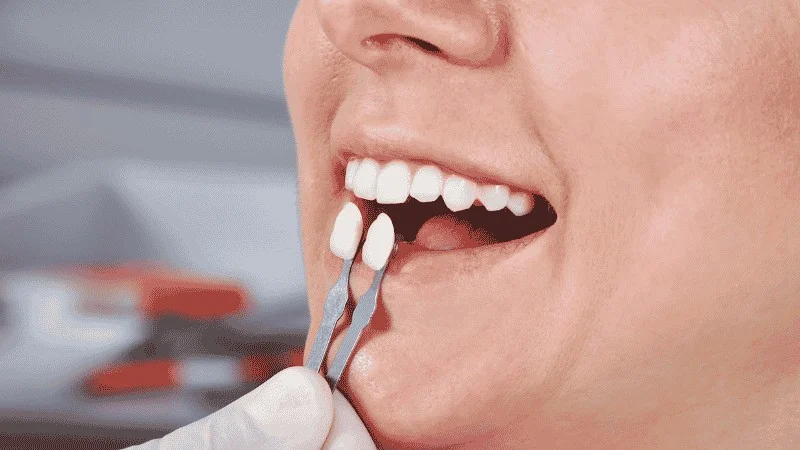
Not sure if whitening will fix your smile, or if you need something stronger? The answer depends on what is actually causing your concern.
Not sure if whitening will fix your smile, or if you need something stronger? When comparing veneers vs teeth whitening, the right choice depends on what is actually causing your concern.
Teeth whitening lifts stains from the enamel using a bleaching gel, but it only works on natural tooth color. It can not change the shape of your teeth or fix chips and gaps.
Veneers cover the front of your teeth with a thin shell, so they can hide stains, uneven edges, and small gaps all at once.
Choosing between veneers vs whitening comes down to your smile goals, your budget, and how much change you actually want.
This guide walks you through how each option works, what it can and can not fix, and how to make a confident choice for your smile transformation.
Key Takeaways
- Your specific dental concern, not personal preference, should guide your choice between these two treatments.
- Surface stains respond well to one option, while structural issues like chips or gaps need a different approach.
- Cost, time, and upkeep can vary a lot, so it helps to think about the long run before you decide.
Table of Content
- The Quick Answer: Match Treatment to the Problem
- What Each Option Can and Cannot Change
- Choosing Between Treatments for Stains, Yellowing, and Deep Discoloration
- Choosing Between Treatments for Chips, Gaps, and Uneven Teeth
- Treatment Experience, Durability, and Long-Term Care
- Costs, Timing, and a Safe Decision Process
- Frequently Asked Questions
The Quick Answer: Match Treatment to the Problem
The fastest way to pick the right treatment is to look at what’s actually bothering you about your smile. If color is your only issue, whitening usually solves it.
If you’re dealing with shape, size, or spacing problems too, veneers likely make more sense.
Choose Whitening for Color-Only Concerns
If your teeth are healthy and just look yellow or stained, professional teeth whitening is probably all you need. This is the case for most people whose teeth have darkened from coffee, tea, wine, or normal aging.
Whitening is the least invasive option, and it works by changing the color of your natural enamel.
It won’t fix chips or gaps, but if those aren’t your concern, there’s no reason to spend more or remove healthy tooth structure.
Many dentists recommend exploring whitening first before jumping to veneers, especially if color is your main complaint.
If whitening seems like the better fit, comparing professional teeth whitening vs. store-bought kits can help you understand which approach may deliver the results you want.
Choose Veneers for Color Plus Shape or Spacing Concerns

If you’re dealing with more than just stained teeth, veneers can address several problems at once. They work well for chips, gaps between teeth, misshapen teeth, or uneven teeth that whitening simply can’t fix.
Veneers are thin shells bonded to the front of your teeth, so they can change both color and shape.
This makes them a good choice if you have crooked teeth that are only mildly out of place, or if you want a more dramatic smile enhancement.
Since veneers involve some enamel removal, they’re a bigger commitment than whitening. But if your goals go beyond color, veneers solve more issues at once than whitening alone ever could.
Consider a Combined Plan for Mixed Concerns
Sometimes the best answer isn’t picking one treatment over the other. If you have stained teeth along with a chip or gap, you might benefit from both whitening and veneers.
In these cases, whitening usually comes first. This lets your dentist match the veneer shade to your newly brightened natural teeth, since veneers won’t change color the same way natural enamel does once they’re placed.
A cosmetic consultation is the best way to figure out your specific plan. Your dentist can look at your teeth, discuss your goals, and recommend the right order and combination of treatments for your smile.

What Each Option Can and Cannot Change
Whitening and veneers work in very different ways, so they fix very different problems. One changes the color of what you already have, and the other builds a new surface on top of your teeth.
How Whitening Lightens Natural Teeth
Whitening works only on your natural teeth. It uses hydrogen peroxide or carbamide peroxide in a whitening gel to break apart stain molecules inside your tooth enamel.
This process lightens your tooth color, but it does not change the shape, size, or position of your teeth. If your teeth are chipped, gapped, or oddly shaped, whitening will not fix that.
You also need enough natural enamel for the gel to work. Whitening cannot lighten crowns, fillings, or veneers, since the gel does not react with those materials the same way it does with enamel.
Whitening is best when your only concern is color and stains from things like coffee, tea, or smoking.
How Veneers Reshape Your Smile
Veneers cover the front of your teeth, so they change more than just color. Porcelain veneers and composite veneers can fix chips, gaps, uneven edges, and mild misalignment, all at the same time.
Porcelain veneers are made from thin sheets of dental ceramic. This material is shaped and colored to match your smile, then bonded to the front of your teeth.
Getting veneers usually requires a small amount of enamel removal first. This step helps the veneer sit flush against your tooth and look natural.
Since veneers sit on top of your teeth, they give you more control over shape and symmetry than whitening alone.
Why Existing Restorations Need Special Planning
If you already have veneers, crowns, or bonding, whitening treatments will not change their color. This is because veneers cannot be whitened with peroxide-based gels the way natural enamel can.
This creates a mismatch risk. If you whiten your natural teeth but leave old veneers in place, your natural teeth may end up brighter than the veneers next to them.
Veneers and whitening should usually be planned in a specific order. Most dentists recommend whitening your natural teeth first, then matching new veneers to that final, brighter shade.
This helps make sure your whole smile looks even, instead of having some teeth lighter than others.
Choosing Between Treatments for Stains, Yellowing, and Deep Discoloration
Not all tooth discoloration is the same, and that’s why the fix isn’t always the same either. Some stains sit on the surface and lift easily, while others sit deep inside your tooth and need a different approach.
Surface Stains and Extrinsic Staining
Surface stains, also called extrinsic staining, happen on the outer layer of your teeth. They come from things like coffee, tea, red wine, and smoking.
These stains build up slowly over time. The good news is that extrinsic stains usually respond very well to teeth whitening.
Whitening products break down the stain particles sitting on your enamel. Most people see noticeable whitening results within a few weeks, whether they use in-office treatments or take-home kits.
If your teeth look yellow or dull but the color feels even across your smile, you likely have surface stains.
Intrinsic Stains That May Not Whiten Predictably
Intrinsic stains are different. They sit inside the tooth structure itself, not on the surface.
These stains often come from things like:
- Certain medications taken during childhood
- Trauma to a tooth
- Genetics
- Aging changes inside the tooth
Whitening gel has a harder time reaching and lifting these deeper stains. You might see some improvement, but the results can be uneven or less noticeable than you hoped.
This is where many people start comparing their options more carefully.
If your discoloration doesn’t budge much with whitening, veneers may be a better fit since they cover the tooth surface instead of trying to change the color from within.
When Dentin, Aging, or Fluorosis Affects Tooth Color
Sometimes the color change comes from what’s happening below the enamel. Dentin, the layer under your enamel, naturally yellows as you get older.
As enamel thins with age, more of that yellow dentin shows through. This can make whitening less effective, since there’s less enamel left to lighten.
Fluorosis is another factor. It’s caused by too much fluoride exposure during childhood and can leave white or brown spots on teeth.
These spots often don’t respond evenly to whitening treatments. In cases like these, many dentists recommend veneers, since they can fix deep stains and cover uneven spots in a way whitening gel simply can’t match.
Choosing Between Treatments for Chips, Gaps, and Uneven Teeth
Teeth whitening only changes color, so it can’t fix chips, cracks, gaps, or uneven shapes. If these are your concerns, veneers are usually the better fit.
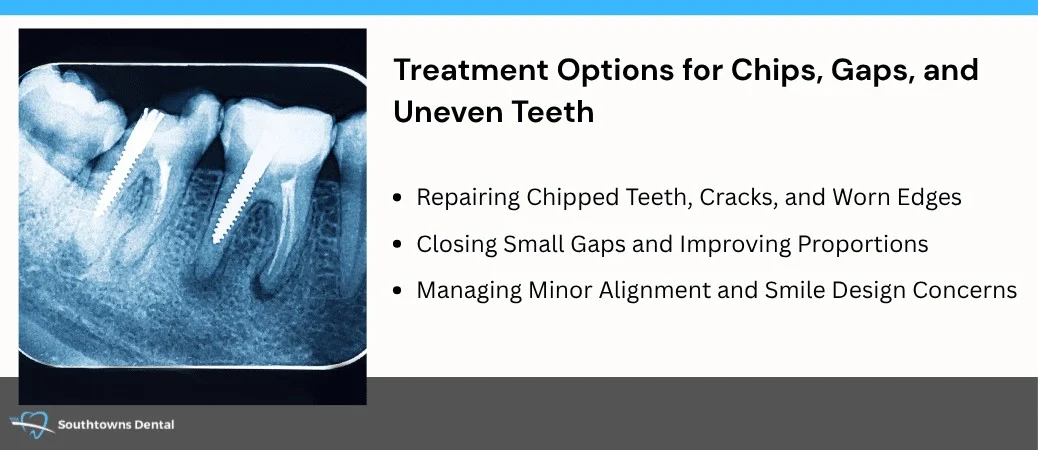
Repairing Chipped Teeth, Cracks, and Worn Edges
Chipped teeth, small cracks, and worn edges won’t respond to whitening at all. Whitening gel can’t rebuild missing tooth structure or smooth out rough spots.
Veneers cover the front surface of your tooth with a thin shell of porcelain or composite. This shell hides chips and cracks while giving you a smooth, even edge again.
Worn edges from grinding or years of use can also be corrected during the veneer procedure. Your cosmetic dentist will shape each veneer to match the length and look of your other teeth.
This means you get one solution that fixes color, chips, and wear all at once, instead of trying several treatments separately.
Closing Small Gaps and Improving Proportions
Small gaps between teeth are a common concern, and whitening does nothing to close them. Veneers, on the other hand, can be designed to slightly widen each tooth so the gap disappears.
This works well for small to moderate gaps where you want a simple fix without braces. Your dentist can also adjust the width and proportion of each tooth so your smile looks balanced.
If some teeth look too small or too large next to each other, veneers can correct these size differences at the same time. You end up with a smile that looks even and natural, not just brighter.
Managing Minor Alignment and Smile Design Concerns
If you have mildly crooked or misshapen teeth, veneers can often create the look of straighter teeth without orthodontic treatment.
This is not the same as fixing bite problems, but it can improve the appearance of minor rotations or uneven shapes.
Your dentist will look at your whole smile, not just one tooth, during smile design planning. This includes tooth shape, size, color, and how your teeth line up when you smile.
Veneers are custom-made for each tooth, so minor unevenness can be corrected by adjusting the shape and angle of each veneer.
This gives you a more uniform look across your front teeth, which whitening simply cannot do.
Treatment Experience, Durability, and Long-Term Care
The treatment you choose shapes what your appointments look like, how long your results last, and what you’ll need to do to keep your smile looking good.
Here’s what to expect with each option, from the chair to your daily routine at home.
In-Office, Take-Home, and Over-the-Counter Whitening Options
You have three main ways to whiten your teeth, and each fits a different budget and timeline.
Professional teeth whitening done in your dentist’s office gives you the fastest results, often in one visit lasting about an hour. Your dentist uses a strong bleaching gel and may add a special light to speed things up.
Take-home whitening kits from your dentist work more slowly but still get great results. You’ll wear custom trays filled with gel for a set amount of time each day over one to two weeks.
Over-the-counter whitening options, like drugstore whitening strips and generic whitening kits, cost the least but work the slowest.
These use lower amounts of bleaching agent, so you’ll need more patience and more applications to see a real change.
Porcelain, Composite, and No-Prep Veneer Considerations
Veneers come in a few different materials, and each one changes how your treatment goes. Porcelain veneers need your dentist to shave down a thin layer of your enamel before bonding on the custom shell.
This process usually takes two visits and gives you a shell that fights stains well and lasts many years.
Composite veneers are built up directly on your tooth in one visit using a resin material. They cost less than porcelain, but they don’t resist stains as well and typically don’t last as long.
No-prep veneers are a newer option that skips the enamel removal step entirely. This makes them reversible, but they only work well if your teeth are already a good size and shape for the thin shells.
When picking your veneers, your dentist will also help you choose veneer shades that match the rest of your smile or brighten it to your goal color.
Managing Sensitivity and Protecting Your Results
Both treatments come with some sensitivity, though it shows up differently. Whitening often causes short-term tooth sensitivity to hot and cold, especially right after treatment. This usually fades within a day or two.
Veneers can cause mild sensitivity right after the enamel is prepped, but this typically settles once the permanent veneer is bonded in place.
Keeping your results looking good takes some simple daily habits. Good oral hygiene, brushing twice a day and flossing, protects both your natural teeth and any veneers you have.
If you grind your teeth at night, your dentist may recommend a night guard to protect your veneers from cracking or chipping.
Porcelain veneers offer better stain resistance than natural enamel, so you won’t need touch-ups as often as you would with whitening, which usually needs to be redone every six months to a year to maintain your color.
Costs, Timing, and a Safe Decision Process
Cost and timing often decide which treatment makes sense for you. Before you book anything, it helps to know how the price compares over time and what steps come first.
Comparing Upfront Cost With Future Touch-Ups

Whitening looks cheap at first. Professional treatments run $200 to $600, but the results fade in a few months to a couple of years.
Veneers cost more upfront, often $900 to $2,500 per tooth. But they can last much longer, so you avoid paying for repeat treatments every year.
Here’s a simple way to compare them:
| Treatment | Upfront Cost | How Often You Pay Again |
| Whitening | $200–$600 | Every 6–24 months |
| Veneers | $900–$2,500 per tooth | Every 10–15+ years |
If you add up whitening touch-ups over 10 years, the total cost can come close to what veneers cost once. Think about your budget over time, not just the first bill.
Why Whitening Usually Comes Before Veneers
Most dentists suggest you try whitening first, even if you think you’ll need veneers. Whitening results show you your natural tooth color once stains are gone.
This helps you and your dentist pick veneer shades that look natural next to your other teeth.
There’s also a simple fact you need to know: veneers cannot be whitened. Once they’re placed, bleaching gel has no effect on them.
So if you whiten first, you get the truest picture of your natural teeth before making a permanent choice.
Skipping this step can lead to mismatched color later. It’s a low-cost, low-risk way to test your options before committing to something you can’t undo.
Health Checks to Complete Before Cosmetic Treatment
Before either treatment, you need a cosmetic consultation with your dentist.
If you’re considering veneers or professional teeth whitening, the team at Southtowns Dental can evaluate your teeth, gums, existing restorations, and smile goals to help determine which option makes the most sense for you.
Gum disease and poor oral hygiene should be treated first.
If you notice early symptoms of gum disease, such as bleeding, redness, or swollen gums, talk to your dentist before starting cosmetic treatment.
Whitening gel can cause pain on unhealthy gums or exposed roots, while veneers need healthy gum tissue to fit and look right.
Your dentist will also check your tooth enamel. Thin or damaged enamel may not hold up well to whitening chemicals or veneer bonding.
The American Academy of Cosmetic Dentistry recommends a full exam before any cosmetic work. This protects your natural teeth and helps you avoid problems that cost more to fix later.
Frequently Asked Questions
You probably still have a few specific questions about how whitening and veneers work in real-life situations, from stained teeth to shifting gaps. Below are answers to the questions people ask most often.
Are veneers or teeth whitening better for yellow or stained teeth?
It depends on what kind of stain you have. If your teeth are yellow from coffee, tea, or wine, whitening usually works well because those stains sit on the surface of your enamel.
But if your staining comes from inside the tooth, like from tetracycline antibiotics or fluorosis, whitening won’t reach it. In that case, veneers give you a more reliable result since the shade is set by the material, not your natural tooth color.
Can veneers fix gaps between my front teeth?
Yes, veneers can close small gaps between your front teeth. Your dentist builds the veneer slightly wider on the side facing the gap, which makes the space disappear without needing braces.
This works best for small to moderate gaps. If your gap is large, your dentist may suggest orthodontics first, then veneers afterward for a more even final result.
Why is the gap between my teeth getting bigger?
A few things can cause your gap to widen over time. Gum disease is a common cause, since it weakens the bone and tissue that hold your teeth in place, letting them drift apart.
Age-related changes, a habit of pushing your tongue against your front teeth, or losing a nearby tooth can also cause shifting.
If you notice your gap growing, it’s worth mentioning to your dentist so they can check for an underlying cause before it gets worse.
Will teeth whitening work on crowns, fillings, or veneers?
No, whitening gel only works on natural tooth enamel. It won’t change the color of crowns, fillings, or veneers at all.
This is actually useful to know if you’re planning both treatments.
Porcelain veneers naturally resist stains from coffee, wine, and tea better than natural teeth do, so if you want to whiten, do it before your veneers are placed so your dentist can match the veneer shade to your brighter, whitened teeth.
How long do veneers last compared with professional teeth whitening results?
Porcelain veneers typically last a decade or more with good care, while whitening results usually fade within six months to two years depending on your diet and habits.
That doesn’t mean whitening is a bad choice. If you’re happy to touch up your whitening every year or two, it stays a low-cost way to keep your smile bright.
When should I choose composite bonding instead of veneers for a small gap?
Composite bonding is a good option if your gap is small and you want a quicker, less expensive fix.
Your dentist shapes tooth-colored resin directly onto your teeth in one visit, and it usually requires little to no removal of your natural enamel.
Bonding isn’t as durable as porcelain veneers and can stain more easily over time. If you want a longer-lasting, stain-resistant result and don’t mind the higher cost, veneers are the stronger choice for closing the same gap.
Conclusion
Choosing between veneers vs teeth whitening becomes easier when you focus on what you want to change and the condition of your teeth.
Whitening can be a practical choice for improving discoloration while preserving your natural tooth structure, while veneers offer a longer-lasting way to address color along with chips, gaps, or uneven tooth shape.
Neither treatment is automatically better for everyone. Your oral health, existing dental work, budget, and long-term expectations all play a role in the decision. Before moving forward, have your teeth and gums evaluated by a dentist.
A personalized cosmetic treatment plan can help you achieve a natural-looking result while protecting the health of your smile.