Does getting a tooth pulled hurt? It’s a common concern, especially if you’ve never had a tooth extracted.
With effective local anesthesia, you should feel pressure and movement during the procedure, but not sharp pain. Some soreness afterward is normal as the extraction site heals.
During oral surgery, your dentist uses local anesthesia to numb the treatment area before removing the tooth. You may feel a brief pinch from the injection, followed by pushing or rocking sensations as the tooth is loosened.
If you experience sharp pain or feel uncomfortable at any point, you can signal your dentist to pause.
Understanding what the procedure feels like, how discomfort is managed, and which symptoms need attention can help you approach your appointment with greater confidence.
What Should You Feel While a Tooth Is Removed?
During tooth removal, you should expect firm pressure and movement once your dentist has checked your numbness. Sharp, burning, or cutting sensations are reasons to pause treatment.
Why Pressure, Rocking, and Sounds Are Normal
You will feel pressure as your dentist loosens the tooth from the tissues holding it in place. The movement might feel like pushing or slow rocking, with pressure shifting as the tooth loosens.
You might also hear creaking or cracking sounds. Sound travels through your jaw, making it seem especially close or loud. Ask for a pause if the pressure feels overwhelming or you need your jaw to rest.
What Happens if You Feel Sharp Pain?
Raise your agreed-upon hand signal as soon as anything feels sharp. Keep your head still and let your dentist stop before explaining where you felt it.
Your dentist will reassess the area and give additional anesthetic when needed. Inflamed tissue or differences in your nerve anatomy sometimes require an adjusted numbing approach.
You do not need to endure pain to finish treatment.
How Does a Simple Extraction Differ From Surgical Removal?
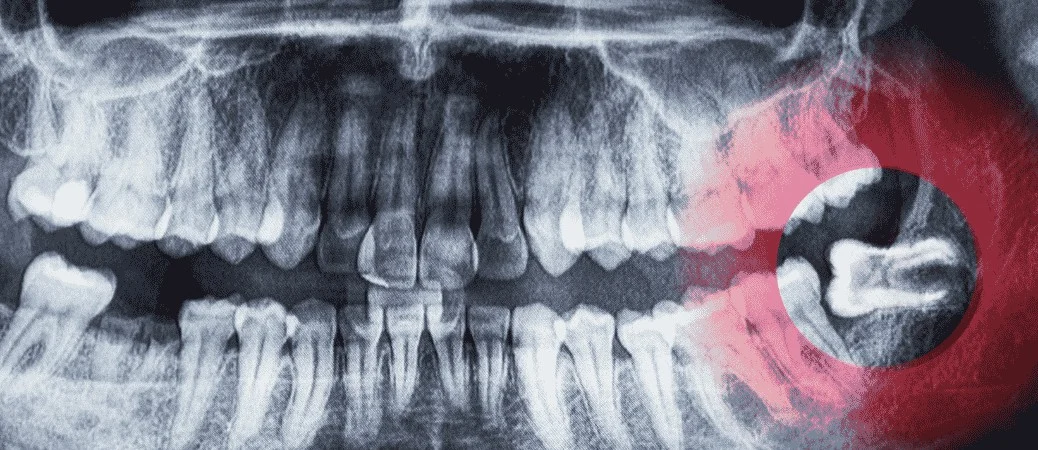
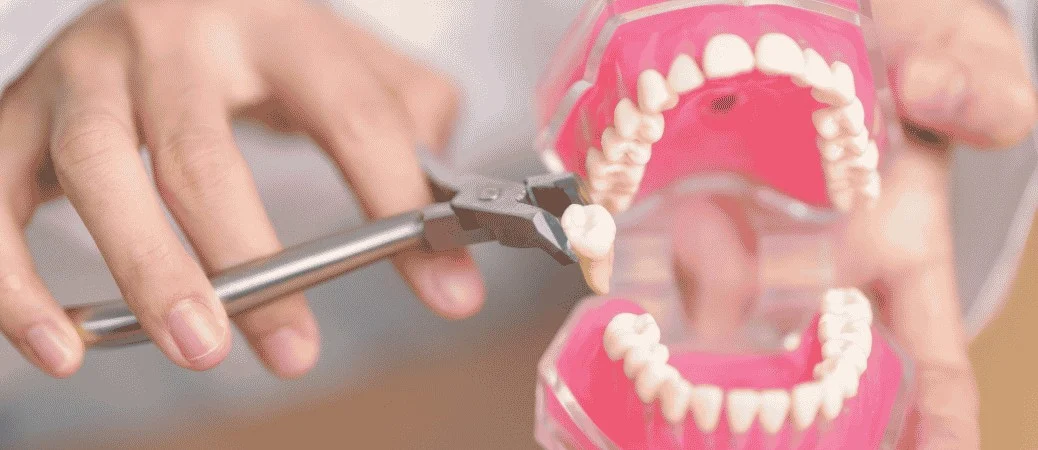
With a simple extraction, your dentist loosens and removes a tooth that is accessible above the gum. A surgical extraction involves additional steps, such as opening the gum or dividing the tooth into smaller pieces.
An impacted wisdom tooth sits partly or fully beneath gum or bone. Your wisdom tooth extraction surgery might involve those extra steps, although some wisdom teeth are removed with a simple extraction.
With impacted teeth, expect a discussion about additional swelling and recovery time.
How Does Your Dentist Keep You Comfortable?
Your dentist uses a local anesthetic to block pain signals around the tooth and checks its effect before removal. You remain awake with local anesthesia, so communication stays part of your care.
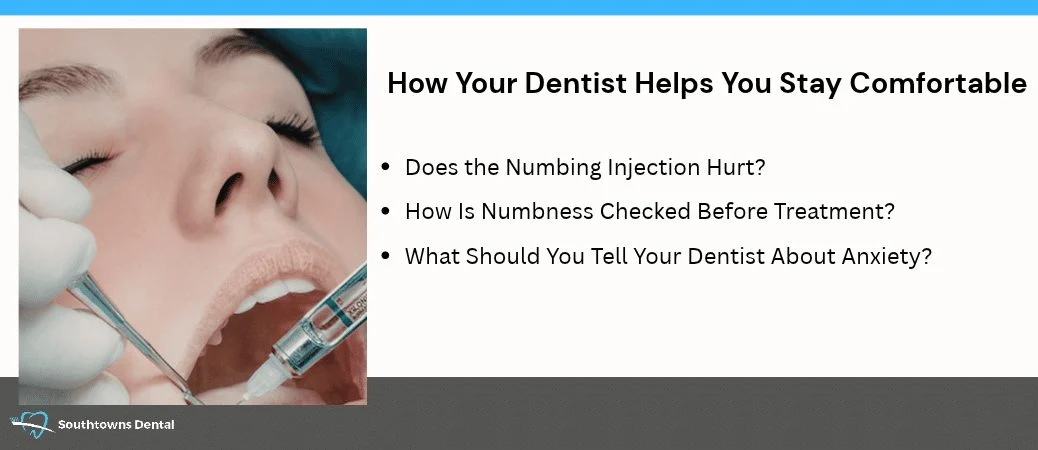
Does the Numbing Injection Hurt?
You might feel a brief pinch as the needle enters, followed by stinging or pressure as the medicine goes in. Your dentist can apply a numbing gel first to soften the surface sensation.
Tell your dentist if injections are your biggest worry. Asking for a warning before the injection, or asking to keep the needle out of view, gives your dental team a specific way to help.
How Is Numbness Checked Before Treatment?
Your dentist checks the gum around your tooth and gently applies pressure before proceeding. You will be asked whether you feel pressure, touch, or anything sharp.
A heavy or tingly lip provides useful information, but your dentist also needs to check the treatment area. Describe the sensation in your own words.
“I feel pushing” and “I feel a sharp sting” give different, useful feedback.
What Should You Tell Your Dentist About Anxiety?
Tell your dentist about previous painful visits, difficulty getting numb, or fear of losing control.
If you’re planning a tooth extraction at Southtowns Dental, let our team know about any previous painful dental experiences or concerns about anesthesia before your appointment. This allows time to discuss an appropriate comfort plan.
If dental anxiety makes extraction especially stressful, ask whether sedation dentistry for dental anxiety may be appropriate.
Your dentist can explain the available comfort options and how local anesthesia will be used to manage pain during treatment.
Review your medications and health history when you prepare for oral surgery. Follow the instructions for your particular appointment, including transportation arrangements if you receive a sedating medication.
What Discomfort Is Normal in the First Few Days?
You should expect some tenderness or a dull ache as the numbing medicine wears off. Your discomfort should become easier to manage as healing progresses, though surgical removal brings a longer recovery.
What Does It Feel Like When Numbness Wears Off?
You might notice a bruised feeling around the socket, mild throbbing, or soreness when opening your mouth. Your jaw muscles also need to recover from holding your mouth open.
The sensation may feel different from your original toothache. Keep track of whether the ache responds to your prescribed care and whether it is easing. Contact your dentist if pain feels unexpectedly strong.
Why Can Soreness Vary Between Patients?
Your soreness reflects the work needed to remove your tooth, existing inflammation, and your individual healing response. A tooth with difficult roots requires more tissue handling than an easily loosened tooth.
Your sleep, health conditions, and jaw muscle tension also affect how recovery feels.
After a more involved procedure, your recovery from wisdom teeth removal extends beyond the point when pain starts improving. Feeling comfortable does not mean the socket has finished healing.
How Can Your Dentist Help You Manage Pain?
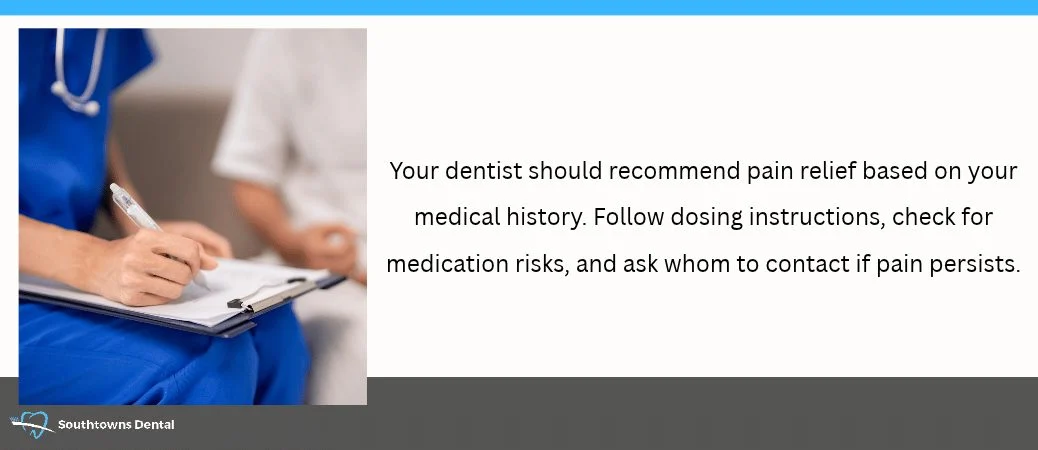
Your dentist should give you a pain-control plan that fits your medical history. For many adults, that includes ibuprofen or another anti-inflammatory medicine, sometimes combined with acetaminophen when appropriate.
Ask before taking these medicines if you have kidney or liver disease, stomach ulcers, take blood thinners, or are pregnant.
Check for duplicate ingredients in combination products, and follow the recommended doses. Keep taking prescribed medicines unless your clinician advises a change.
Ask whom to contact after office hours if the plan fails to control your discomfort. You should leave knowing which medicine to use and when to call.
When Does Pain Need Dental Attention?
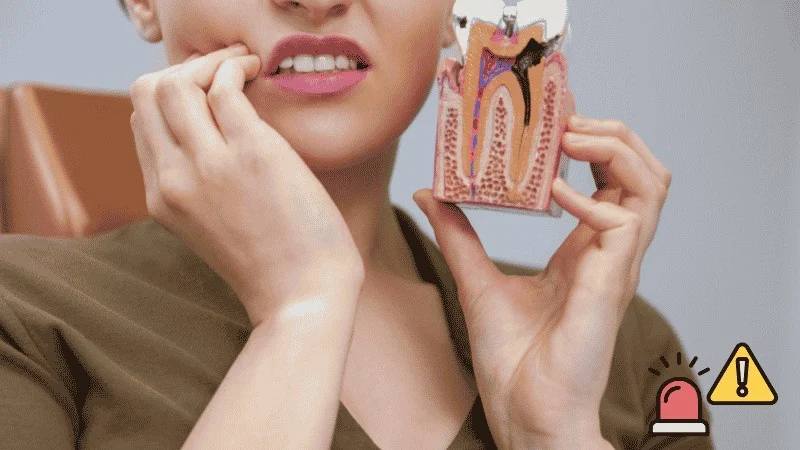
You need dental advice for severe pain, pain that worsens after improving, or discomfort accompanied by signs of infection. Your symptom pattern helps your dentist decide how quickly you need an examination.
What Can Severe or Worsening Pain Mean?

A deep ache that becomes intense or spreads toward your ear deserves a call to your dentist. Dry socket is one possible cause when the protective blood clot fails to remain in place; infection is another concern.
Following your dentist’s aftercare instructions can help protect the healing blood clot.
Our guide to avoiding dry socket after wisdom teeth removal explains common precautions, but your dentist’s instructions should take priority for your specific procedure.
Which Symptoms Need Urgent or Emergency Care?
Seek prompt dental care for increasing facial swelling, fever, pus, or bleeding that continues despite following your dentist’s pressure instructions.
Persistent numbness beyond the timeframe your dentist gave you also needs a call.
Call 911 or seek emergency medical care for trouble breathing or swallowing, rapidly spreading neck swelling, or heavy uncontrolled bleeding.
Recognizing a dental emergency helps you choose the right level of care.
If you develop severe symptoms before treatment, contact a dentist near you for an assessment. You might need drainage, treatment to save the tooth, or an emergency tooth extraction.
Your symptoms alone do not establish which treatment you need.
Expect Pressure During Treatment and Manageable Soreness After
If you’re still wondering, does getting a tooth pulled hurt, remember that effective local anesthesia is intended to prevent sharp pain during extraction.
You may feel pressure or movement, followed by temporary soreness as the area heals.
At Southtowns Dental, our team can explain the procedure, discuss your comfort concerns, and provide personalized aftercare instructions.
If you’re worried about an upcoming extraction, schedule a consultation to understand your options.
Frequently Asked Questions
You can use these answers to set practical expectations for your tooth extraction appointment.
How painful is tooth extraction on a scale of 1 to 10?
You cannot reliably predict your experience with a single pain score. With effective local anesthesia, you should feel pressure without sharp pain during removal; afterward, describe both the intensity and whether your soreness is improving.
How long does a routine tooth extraction take?
Your tooth removal is often brief, while your full appointment includes assessment, numbing, and checking bleeding afterward. Ask your dentist for an appointment estimate based on your tooth’s position and condition.
Is it normal to have no pain 24 hours after tooth extraction?
Yes, you can have little or no pain after 24 hours, especially after an uncomplicated extraction. Continue following your aftercare instructions because your socket still needs time to heal.
Is a tooth extraction more painful than a filling?
With effective numbing, you should be comfortable during either procedure. An extraction involves stronger pressure and leaves a healing socket, so you should expect more aftercare and soreness afterward.
Can a tooth be pulled without anesthesia?
Having an adult tooth removed without anesthesia would expose you to substantial pain and is not standard routine dental care.
If you fear the injection or have had a previous reaction, discuss a tailored anesthesia plan so you can expect pressure during treatment, manageable soreness afterward, and support if discomfort is unexpected.